What is IPC-A-610 J-STD-001 For An Electronic Manufacturer
Many companies see IPC J-STD-001 and IPC-A-610 listed together but are unsure how the two standards differ or why they matter. This article is written for engineers, procurement teams, and businesses evaluating an electronic manufacturer or electronic manufacturing service. The perspective reflects Levison Enterprises’ experience building reliable electronic assemblies using recognized IPC standards. It explains the differences between J-STD-001 and IPC-A-610, how each standard supports manufacturing quality, and why certified processes and personnel contribute to more reliable electronic assemblies.
When you’re sourcing an electronic manufacturing service, quality is one of the most important factors to evaluate. The challenge is that quality can be difficult to measure before a product is built.
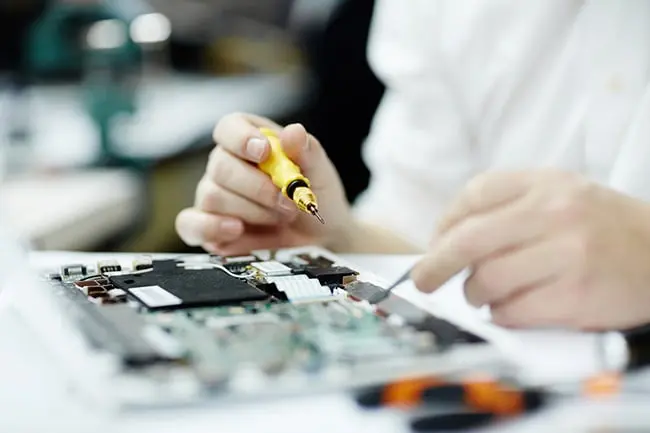
Many electronic manufacturers claim to produce reliable assemblies, but what processes are they following?
How are technicians trained?
What standards determine whether a product will meet your expectations?
Without consistent manufacturing and inspection requirements, quality can vary significantly from one electronic manufacturer to another. Small electronic assembly defects can lead to product failures, warranty claims, costly rework, and damage your customer relationships.
This is why industry standards like IPC J-STD-001 and IPC-A-610 have become so important. Together, they provide a framework for building and inspecting electronic assemblies for consistent quality and reliability.
What Is IPC J-STD-001?
IPC J-STD-001, formally titled Requirements for Soldered Electrical and Electronic Assemblies, is the industry’s leading standard for soldering processes and electronic assembly practices.
Rather than focusing on the finished product, J-STD-001 focuses on how electronic assemblies are built. The standard establishes requirements for materials, soldering methods, process controls, inspection procedures, and environmental conditions that can affect assembly quality.
The goal is to create repeatable manufacturing processes that consistently produce reliable electronic assemblies. By defining best practices throughout production, J-STD-001 helps manufacturers reduce defects before they become larger quality issues.
For customers, this means greater confidence that products are being built according to recognized industry standards rather than relying solely on internal company procedures.
What Is IPC-A-610?
While J-STD-001 focuses on the manufacturing process, IPC-A-610 focuses on the finished assembly.
Known as Acceptability of Electronic Assemblies, IPC-A-610 provides visual acceptance criteria used to inspect completed electronic products. It helps manufacturers determine whether solder joints, component placement, wiring, and overall workmanship meet industry expectations.
In many ways, IPC-A-610 serves as the benchmark for evaluating electronic assembly quality. It gives manufacturers, inspectors, and customers a common standard for determining whether a finished product is acceptable.
This consistency is especially valuable when products are being built for industries where reliability is critical and quality expectations are high.
Understanding the Difference Between the Two Standards
Because these certifications are often mentioned together, it’s easy to assume they serve the same purpose. In reality, they address different stages of the manufacturing process.
J-STD-001 establishes the requirements for building electronic assemblies correctly. It focuses on the processes, procedures, and controls used during manufacturing.
IPC-A-610 takes over once assembly is complete. It provides the criteria inspectors use to evaluate the finished product and determine whether it meets workmanship and quality requirements.
A simple way to think about the relationship is that J-STD-001 helps manufacturers build quality into the product, while IPC-A-610 helps verify that quality before the product reaches the customer.
Both standards play an important role in producing reliable electronic assemblies.
Why Certification Matters
Standards only create value when they are properly understood and consistently applied.
That is why manufacturers invest in IPC training and certification programs. Employees responsible for assembling, inspecting, and managing electronic components receive specialized instruction on the requirements established by J-STD-001.
Training covers topics including soldering techniques, through-hole assembly, surface mount technology, wire and terminal connections, inspection methods, and process control. Certification is renewed regularly to ensure personnel remain current with evolving industry requirements.
This training helps create consistency across the manufacturing floor. Regardless of who performs the work, certified personnel are working from the same set of quality expectations and electronic assembly standards.
For customers, that translates into greater confidence in the final product.
How These Standards Improve Product Reliability
One of the biggest misconceptions about quality standards is that they are simply paperwork requirements or certifications used for marketing purposes.
In reality, standards like J-STD-001 and IPC-A-610 directly impact product performance.
Poor solder joints, improper assembly techniques, and inconsistent inspection practices may not cause immediate failures. In many cases, products leave the factory appearing to function normally only to experience issues months later in the field.
By establishing proven manufacturing processes and inspection criteria, IPC standards help reduce the likelihood of failures occurring. They support greater consistency throughout production and help manufacturers identify problems before products are shipped.
This is particularly important for industries where electronic assemblies must perform reliably under demanding conditions like aerospace, defense, industrial automation, medical devices, and transportation systems.
How Levison Enterprises Applies IPC Standards
At Levison Enterprises, IPC standards are integrated throughout our manufacturing and quality management systems.
Our assemblers receive training from IPC-certified instructors and are educated on the methods, procedures, and quality requirements outlined in J-STD-001. We view certification as more than a requirement. It is part of our commitment to delivering dependable electronic assemblies that meet customer expectations.
Quality Begins with the Manufacturing Process
It’s easy to focus on the final product, but quality begins long before final inspection.
Reliable electronic assemblies are built through disciplined manufacturing processes, trained personnel, controlled environments, and consistent quality verification. IPC J-STD-001 and IPC-A-610 provide the framework that helps manufacturers achieve those goals.
When evaluating an electronic manufacturer, understanding how they apply these standards can provide valuable insight into the quality systems behind their work.
At Levison Enterprises, our commitment to IPC standards reflects our broader commitment to delivering electronic assemblies that perform as intended and stand up to the demands of real-world applications, no matter the field or industry. To learn more about how we can help you build a better product, contact us today.
Frequently Asked Questions
What is the difference between IPC-A-610 and J-STD-001?
J-STD-001 establishes the requirements for building a reliable electronic assembly, including soldering processes, materials, and manufacturing methods. IPC-A-610 provides the visual inspection criteria used by an electronic manufacturer to evaluate whether a completed assembly meets industry workmanship and quality standards.
Why are IPC standards important for an electronic manufacturing service?
IPC standards help an electronic manufacturing service produce consistent, high-quality products by standardizing assembly processes and inspection requirements. Following these standards reduces defects, improves reliability, and gives you confidence that every electronic assembly is built to recognized industry expectations.
What industries rely on IPC-certified electronic manufacturers?
Many industries depend on an electronic manufacturer that follows IPC standards, including aerospace, defense, medical devices, industrial automation, automotive, telecommunications, and transportation. These industries require electronic assemblies that perform reliably in a variety of demanding environments.
How does IPC certification improve electronic assembly quality?
IPC certification ensures technicians receive standardized training in soldering, assembly techniques, and inspection procedures. For an electronic manufacturing service, this creates greater consistency throughout production, resulting in more reliable electronic assembly and fewer quality issues.
Why should I choose an electronic manufacturer with IPC-certified personnel?
An electronic manufacturer with IPC-certified assemblers and inspectors follows recognized industry standards throughout production. This helps reduce defects, improve consistency, and deliver dependable electronic assemblies that meet customer expectations.
Does every electronic manufacturing service follow IPC standards?
No. While many companies reference IPC standards, not every electronic manufacturing service maintains certified personnel or consistently follows IPC-A-610 and J-STD-001 requirements. Ask potential manufacturing partners about their certifications, training programs, and quality management processes.
How do IPC standards improve long-term product reliability?
IPC standards help an electronic manufacturer identify and prevent defects during production instead of after products are shipped. By improving manufacturing processes and inspection practices, they increase the reliability and lifespan of every electronic assembly.
Do IPC standards apply to both prototype and production electronic assembly?
Yes. Whether building a prototype or a high-volume production run, an electronic manufacturing service can apply IPC standards to maintain consistent quality, workmanship, and inspection throughout the manufacturing process.
How can I verify an electronic manufacturer’s quality standards?
Ask whether the electronic manufacturer employs IPC-certified personnel, follows J-STD-001 and IPC-A-610 standards, and maintains recognized quality certifications. Reviewing their inspection processes and quality management systems can also help you evaluate their capabilities.
Can IPC standards reduce manufacturing costs over time?
Yes. By helping an electronic manufacturing service reduce defects, rework, warranty claims, and field failures, IPC standards can lower overall production costs while improving the quality and reliability of each electronic assembly.
Start Your Quote Now!