Electronic Manufacturer In-House TAB Bonding, At Your Service
As electronic products become smaller and more sophisticated, manufacturers need connection methods that save space without sacrificing reliability. Tape Automated Bonding (TAB) provides a flexible, compact alternative to traditional connectors and wiring for applications where size, performance, and durability matter. For OEMs developing medical devices, wearables, automotive systems, and other compact products, working with an electronic manufacturer that offers in-house TAB bonding can simplify assembly, reduce component requirements, and support more efficient product designs.
As technology continues to evolve, products are becoming smaller, lighter, and more powerful. Devices that once required large amounts of space and complex wiring can now fit into compact packages without sacrificing performance. From wearable technology and medical devices to automotive systems and industrial equipment, manufacturers are constantly looking for ways to reduce size while improving reliability.
For companies developing compact products, traditional connection methods may create limitations. Large connectors, additional wiring, and rigid assembly methods can take up valuable space and introduce additional failure points. This is where specialized manufacturing solutions like Tape Automated Bonding (TAB) can provide a significant advantage.
An experienced electronic manufacturer with in-house TAB bonding capabilities can help companies create smaller, more efficient designs while simplifying the electronic assembly process. By eliminating unnecessary components and improving connection reliability, TAB bonding supports the next generation of compact electronic products.
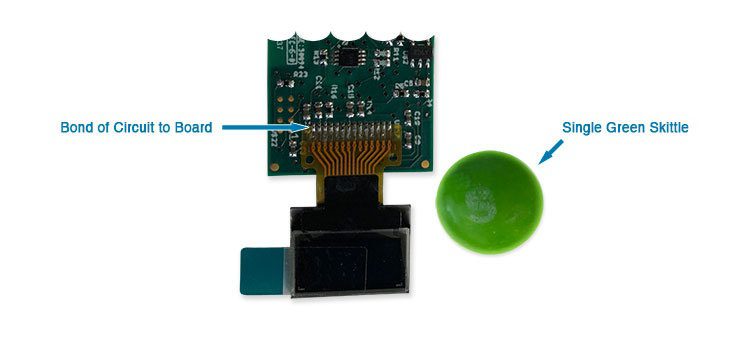
What Is TAB Bonding?
Tape Automated Bonding, commonly known as TAB, is a manufacturing process used to connect integrated circuits or printed circuit boards using a flexible polymer tape. This process creates highly reliable electrical connections while allowing manufacturers to reduce the overall size of the assembly.
The concept behind TAB bonding has played an important role in the continued miniaturization of technology. Early computers filled entire rooms, while modern devices can provide significantly greater computing power in a package small enough to wear on your wrist.
TAB bonding has helped make this level of miniaturization possible by allowing manufacturers to create smaller circuits with fewer space limitations.
How Does TAB Bonding Work?
During the TAB process, fine conductive traces are embedded into a flexible polymer tape. Small bumps or contact points made from gold or solder are then used to connect the tape to the circuit board or semiconductor package.
The flexible tape contains precisely positioned openings that align with the connection points on the board. Once aligned, the tape is bonded to create a reliable electrical pathway between the circuit and external components.
This process allows manufacturers to create compact connections without relying on traditional connectors. For products where space is limited, removing unnecessary components can make a significant difference in your overall design.
Why Compact Product Designs Need Better Connection Methods
As engineers continue pushing the limits of product design, every millimeter of available space matters. Traditional connectors and wiring systems can add bulk, increase assembly complexity, and create additional opportunities for failure.
For applications requiring a smaller footprint, manufacturers need solutions that support:
- Reduced product size
- Improved reliability
- Flexible connections
- Efficient assembly processes
- Better use of available space
TAB bonding addresses these challenges by creating direct connections while maintaining the flexibility needed for products exposed to movement or vibration.
TAB Bonding vs Wire Bonding
Wire bonding is another common method used to create connections in integrated circuits and electronic assemblies. This process uses fine wires, typically made from materials like copper, gold, silver, or aluminum, combined with heat, pressure, and energy to establish electrical connections.
Wire bonding is widely used and remains an effective solution for many applications. However, TAB bonding provides unique advantages when flexibility, compact size, and higher connection density are priorities.
TAB bonding offers several benefits compared to traditional wire bonding methods:
- Smaller bond pads allow for more compact circuit designs.
- Connection points can be positioned across the surface of the circuit instead of being limited to the edges.
- More available connection locations improve design flexibility.
- Reduced gold usage can help lower material costs.
- Consistent bonding geometry improves manufacturing repeatability.
- Faster production cycles support higher-volume applications.
For products that require flexible, lightweight, and space-efficient designs, TAB bonding can provide a valuable alternative.
Advantages of In-House TAB Bonding for Electronic Assembly
Working with an electronic manufacturing service that provides in-house TAB bonding capabilities offers several advantages. Instead of outsourcing a specialized process or investing in expensive equipment internally, companies can access advanced manufacturing capabilities through a trusted partner.
One of the biggest benefits of in-house TAB bonding is the ability to mass terminate flexible circuits directly to circuit boards. This eliminates the need for additional connectors, reducing both material costs and assembly complexity.
Removing connectors provides several benefits:
- Less space required on the circuit board
- Fewer potential points of failure
- Reduced component costs
- Improved product reliability
- Simplified electronic assembly
These advantages are especially valuable for industries where size, durability, and performance are important considerations.
Applications That Benefit From TAB Bonding
TAB bonding is used in a variety of industries where compact and reliable connections are needed. Common applications include:
Wearable Devices
Wearable technology depends on lightweight and flexible designs. TAB bonding allows manufacturers to create compact assemblies that fit within small devices while maintaining dependable electrical connections.
Medical Devices
Medical products often require reliable performance in a small package. TAB bonding can support the development of portable monitoring devices, diagnostic equipment, and other medical technologies where space and reliability are important.
Automotive Systems
Automotive applications often experience vibration, temperature changes, and limited installation space. Flexible TAB connections can help improve durability while supporting smaller electronic systems.
Consumer Products
Modern consumer products continue to shrink while adding more features. TAB bonding helps manufacturers create compact assemblies for devices where space efficiency is a priority.
Industrial Equipment
Industrial systems often require reliable electronic connections that can withstand demanding operating environments. TAB bonding can provide flexibility and durability in applications where traditional connections may not be ideal.
When Does TAB Bonding Make Sense?
While TAB bonding offers many advantages, it is not the right solution for every project. The process requires specialized equipment and custom tape development, which can create higher initial costs compared to traditional assembly methods.
However, TAB bonding becomes increasingly cost-effective for higher-volume production runs. Once the custom tape design is developed, manufacturers can benefit from faster assembly, reduced component requirements, and improved product consistency.
Partnering with an electronic manufacturer that already has TAB bonding capabilities can help companies access this technology without the investment of purchasing and maintaining specialized equipment.
Levison Enterprises Provides In-House TAB Bonding Solutions
Finding the right manufacturing partner can make a significant difference when developing compact, high-performance products. Levison Enterprises provides in-house TAB bonding as part of our comprehensive electronic manufacturing services, helping customers reduce assembly complexity while creating reliable, space-efficient designs.
As a full-service electronic manufacturer, Levison supports projects from design and PCB assembly through final testing and shipment. Our team provides the manufacturing expertise needed to support complex builds while maintaining a focus on quality and reliability.
Whether you need specialized TAB bonding capabilities or complete electronic assembly support, Levison Enterprises can help bring your product from concept to production. Contact us today to discuss your project and learn how our manufacturing capabilities can support your next design.
Frequently Asked Questions About TAB Bonding
What is TAB bonding?
TAB, or Tape Automated Bonding, is a manufacturing process that uses flexible polymer tape with embedded conductive traces to create electrical connections between integrated circuits, printed circuit boards, and other components. It can help manufacturers create smaller and more flexible electronic assemblies.
How does TAB bonding work?
During TAB bonding, conductive traces are embedded into flexible polymer tape. Precisely positioned openings in the tape align with connection points on the circuit board or semiconductor package. The tape is then bonded to create a reliable electrical connection.
What are the benefits of TAB bonding?
TAB bonding can reduce the size of an assembly, eliminate the need for some connectors, reduce connection points, improve flexibility, and support higher connection density. It can also improve manufacturing consistency and reduce certain material costs.
How is TAB bonding different from wire bonding?
Wire bonding uses fine wires to create electrical connections, while TAB bonding uses flexible tape with embedded conductive traces. TAB bonding can offer advantages when a project requires compact connections, flexibility, or connection points across the surface of a circuit rather than primarily around its edges.
Can TAB bonding eliminate connectors?
Yes. One advantage of TAB bonding is that flexible circuits can be mass terminated directly to circuit boards, potentially eliminating the need for additional connectors. This can reduce component costs, save board space, and remove potential points of failure.
What types of products can benefit from TAB bonding?
TAB bonding can be useful for products where compact size, flexibility, and reliable connections are important. Potential applications include wearable technology, medical devices, automotive systems, consumer products, and industrial equipment.
Is TAB bonding cost-effective for every project?
Not necessarily. TAB bonding requires specialized equipment and custom tape development, which can create higher initial costs. The process can become more cost-effective for higher-volume production because the initial tape development costs can be spread across a larger number of units.
Why should I work with an electronic manufacturer that offers TAB bonding in-house?
An electronic manufacturer with in-house TAB bonding capabilities can provide access to specialized equipment without requiring the customer to purchase and maintain it. Keeping the process in-house can also simplify production and reduce the need to coordinate with additional manufacturing suppliers.
Does TAB bonding work well for products exposed to movement or vibration?
TAB bonding can be beneficial for applications that require flexible connections or experience movement and vibration. Its flexible construction can help support compact designs where traditional rigid connections may create limitations.
Can TAB bonding be included as part of a larger electronic assembly project?
Yes. An electronic manufacturing service with in-house TAB bonding can incorporate the process into a broader manufacturing workflow. This can allow a manufacturer to support activities ranging from PCB assembly and specialized bonding through testing and final production.
Start Your Quote Now!