Improving Medical Device Accessibility with Human-Centered ECM Design
Medical device usability directly impacts patient outcomes, yet many devices struggle to balance technical performance with accessibility and ease of use. This is written for medical device OEMs aiming to create user-friendly, high-performing technology for diverse care environments. The perspective reflects Levison Enterprises’ experience in human-centered electronic contract manufacturing. It explores common usability challenges, the importance of designing for real-world use, and how ECM partnerships improve accessibility, adoption, and overall device effectiveness.
Medical device manufacturing plays a critical role in patient care and healthcare delivery, yet the design and usability of these devices often determine how effectively they are used. Complex interfaces, awkward ergonomics, and limited accessibility can create challenges for both patients and healthcare providers. For original equipment manufacturers (OEMs) developing new medical technology to be both high-performing and user-friendly can be a daunting task. Without specialized support, devices may meet technical specifications but fail to deliver the intuitive, accessible experience that patients and clinicians look for.
Many healthcare companies have encountered this challenge. A device may function perfectly in controlled testing but present obstacles in real-world environments. Clinicians may struggle to operate equipment efficiently, or patients may find devices difficult to handle, limiting the potential impact of the technology. These usability issues can slow adoption, reduce patient satisfaction, and in some cases, affect treatment outcomes. Bridging the gap between technical capability and human usability requires a thoughtful, user-centered approach to design and manufacturing.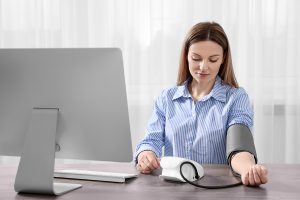
Shifting to Human-Centered Design
Electronic contract manufacturing (ECM) provides a pathway to address these challenges. By collaborating with an experienced ECM, medical device OEMs can prioritize end-user needs throughout the design and production process. Human-centered ECM design integrates usability considerations, ergonomic principles, and inclusive design practices directly into manufacturing workflows. This approach ensures that devices are developed with the end user in mind, from clinicians performing procedures to patients managing care at home.
A human-centered design approach considers factors like device shape, weight, interface layout, and accessibility. It evaluates how devices will be held, viewed, and operated in different environments. Manufacturers with expertise in this approach can anticipate common user challenges and incorporate solutions early in the design phase. By embedding usability thinking into the design, ECM partnerships produce devices that are more intuitive, easier to operate, and accessible to a wider range of users.
Enhancing Usability Through ECM Collaboration
Partnering with an ECM allows medical device companies to combine technical innovation with practical usability. Levison Enterprises works closely with OEMs to translate complex electronic systems into devices that are not only reliable but also easy and comfortable to use.
In addition to usability, human-centered ECM design addresses accessibility. Devices must be operable by patients with varying levels of physical ability, as well as clinicians facing fast-paced or high-pressure environments. Levison’s approach considers reach, dexterity, visual cues, tactile feedback, and other elements that contribute to inclusive design. This allows medical technology to reach a broader audience and adapt to a variety of care settings, improving adoption rates and patient outcomes.
Reducing Barriers to Adoption
Medical device adoption depends on both functionality and user confidence. Devices that are intuitive, ergonomically sound, and accessible reduce frustration for clinicians and patients alike. By collaborating with a human-centered ECM, OEMs can minimize barriers to adoption. Devices that are easier to operate are more likely to be used correctly, consistently, and safely. This reliability not only enhances patient care but also strengthens the reputation of the OEM as a provider of thoughtful, user-focused technology.
Levison Enterprises combines advanced manufacturing capabilities with human-centered design principles to deliver medical devices that meet stringent quality standards while remaining accessible. This dual focus allows OEMs to innovate without compromising on usability or regulatory compliance. Human-centered ECM design becomes a bridge between technical performance and real-world effectiveness, supporting better experiences for every user of the device.
Integrating Ergonomics and Intuitive Interfaces
The design of controls, displays, and overall device layout has a direct impact on usability. Human-centered ECM design prioritizes intuitive interfaces that align with how people naturally interact with devices. Levison collaborates with OEMs to optimize the placement of buttons, touchscreens, indicators, and other interactive elements, helping users navigate devices confidently and efficiently. Ergonomic considerations, such as grip comfort, device weight, and reach distances, are integrated into the manufacturing process, creating products that feel natural to operate.
By focusing on ergonomics and intuitive interfaces, medical devices become more effective and inclusive. Clinicians can perform tasks faster, patients can manage treatments independently, and overall safety is improved. These outcomes contribute to the overall success of the technology and maximize its impact in healthcare settings.
Driving Innovation Through Partnership
Human-centered ECM design does more than improve usability; it drives innovation. By considering the end-user from concept through production, ECM partners like Levison Enterprises help OEMs anticipate challenges, explore new solutions, and refine device functionality. The collaborative process enables rapid prototyping, iterative testing, and process optimization, giving companies the ability to develop cutting-edge medical technology while staying aligned with patient and clinician needs.
Through this partnership, OEMs gain not only technical expertise but also insight into how design choices affect usability and accessibility. Devices emerge from production ready to meet real-world demands, balancing high performance with thoughtful, human-centered design.
Take the Next Step with Levison Enterprises
For medical device manufacturers seeking to create technology that is both high-quality and user-friendly, Levison Enterprises provides the expertise, collaborative approach, and human-centered manufacturing processes to make it possible. From early concept through full-scale production, Levison works alongside OEMs to translate innovative designs into devices that are accessible, intuitive, and effective for a wide range of patients and healthcare providers. Contact Levison Enterprises today to learn how your next medical device project can combine technical excellence with human-centered usability.
Start Your Quote Now!