Designing for EMC Compliance in Medical and Defense Devices
Medical and defense electronic devices must operate reliably in environments where electromagnetic interference can impact performance and safety. This article is for engineers, product designers, and manufacturers responsible for ensuring electromagnetic compatibility (EMC) in regulated systems. It covers key EMC challenges, design-for-EMC strategies, regulatory requirements such as ISO and MIL-STD standards, and testing and validation practices. It also explains how early EMC planning and cross-team collaboration reduce risk and improve system reliability across the product lifecycle.
In both medical and defense devices, reliability is not optional. They must operate flawlessly, whether they are diagnosing patients in a hospital or controlling mission-critical equipment in the field. One of the most important factors in ensuring consistent performance is electromagnetic compatibility, or EMC. EMC ensures that electronic systems function correctly in their intended environment without causing or experiencing electromagnetic interference. Ignoring EMC early in the design process can lead to device malfunctions, costly rework, delayed product launches, and in some cases, safety risks for patients or personnel.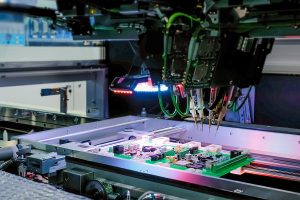
The Challenges of EMC Compliance
The challenges of EMC compliance are significant. Medical devices must operate safely around other electronic equipment in hospitals, clinics, and homes. Even minor interference can affect data accuracy or compromise patient safety. In defense applications, systems have to perform in extreme electromagnetic environments, including high-power radar, communication networks, and jamming systems. Electromagnetic interference can degrade performance, cause malfunctions, or even compromise mission-critical operations. In both cases, the consequences of inadequate EMC planning can be severe.

Designing for EMC from the Start
Proactive EMC planning begins during the earliest stages of device design. Engineers need to consider everything from component selection and board layout to grounding, shielding, and filtering. Components should be evaluated not only for their functionality but also for their susceptibility to and emission of electromagnetic energy. Proper layout strategies can reduce noise coupling between circuits, while shielding and grounding techniques protect sensitive components from external interference. Early consideration of these factors avoids costly redesigns or modifications later in development.
EMC Requirements in Medical Devices
For medical devices, EMC compliance is closely tied to regulatory requirements like ISO 13485. Meeting these standards ensures devices are safe, reliable, and effective for patients. EMC testing verifies that the device will not interfere with other medical equipment and that it maintains accurate, dependable performance under real-world conditions. Hospitals, clinics, and home care settings are full of electronic devices, and proper EMC design prevents conflicts that could compromise patient outcomes or device usability.
EMC Standards in Defense Electronics
In defense electronic manufacturing, EMC compliance is equally critical and often more demanding. Military systems must adhere to MIL-STD requirements such as MIL-STD-461 for controlling electromagnetic interference. This standard ensures devices can operate in high-stress environments and coexist with other equipment without disruption. Devices deployed on ships, aircraft, or ground vehicles face electromagnetic exposure from radar, communication systems, and other sources.
The Importance of Cross-Team Collaboration
Achieving EMC compliance requires collaboration across design, engineering, manufacturing, and testing teams. Electronic contract manufacturers with experience in both medical and defense projects bring an integrated approach that streamlines this process. Early involvement in component sourcing, PCB layout, and enclosure design allows manufacturers to anticipate potential EMC issues before production begins. By incorporating design-for-EMC practices, rapid prototyping, and iterative testing, they can identify and mitigate risks early, reducing the likelihood of costly rework or regulatory setbacks.
Testing and Validation for EMC Performance
Testing is a critical component of EMC compliance. Both pre-production prototypes and final assemblies undergo extensive verification to confirm that emission levels are within acceptable limits and that the device can operate reliably in its intended environment. For medical devices, testing replicates hospital or home care scenarios, while defense electronic devices undergo simulations of battlefield conditions with high-power signals and extreme operational stresses. Continuous feedback from testing informs design adjustments, so that devices not only meet compliance standards but also perform optimally in real-world applications.
Practical Techniques for Improving EMC
Shielding, filtering, and grounding are practical techniques used to enhance EMC performance. Proper shielding blocks external interference, while filters reduce unwanted signal noise within circuits. Effective grounding keeps stray currents from affecting sensitive components. For defense applications, additional measures may include isolating critical subsystems, using ruggedized enclosures, and applying conductive coatings to protect against harsh electromagnetic environments. In medical electronics, compact and lightweight shielding solutions are often necessary to maintain device usability without compromising performance.
Partnering with an Experienced ECM
Partnering with an experienced ECM like Levison Enterprises brings the expertise needed to navigate EMC compliance. Our team understands both the regulatory and operational requirements for medical and defense devices. We apply best practices for PCB design, component selection, and enclosure engineering to achieve EMC performance while maintaining overall system reliability. Every step, from prototyping to final production, incorporates design-for-EMC strategies that reduce risks, accelerate time-to-market, and confirm compliance with ISO and MIL standards.
The Benefits of Early EMC Planning
The benefits of early and thorough EMC planning extend beyond compliance. Devices that are designed with EMC in mind are more reliable, durable, and user-friendly. For medical devices, this means fewer malfunctions and safer patient outcomes. For defense systems, it means mission-critical equipment performs predictably under extreme conditions, supporting operational success. Minimizing electromagnetic interference enhances overall system stability, reduces maintenance needs, and protects the investment in highly specialized electronic devices.
EMC as a Continuous Process
EMC compliance is not a single step in development; it is a continuous consideration throughout the lifecycle of a device. Design decisions, manufacturing techniques, and testing protocols all contribute to a device’s electromagnetic performance. By integrating EMC best practices from the start, manufacturers reduce the likelihood of post-production issues, costly modifications, and regulatory hurdles. They also provide confidence to healthcare professionals, defense operators, and end users that the device will perform reliably whenever it is needed.
Start Your Project with Confidence
Whether you are developing life-saving medical devices or mission-critical defense systems, EMC compliance is a cornerstone of success. By planning early, applying proven design strategies, and working with a skilled ECM, you can reduce risk, protect users, and develop devices that perform as intended in the environments where it matters most. Contact Levison Enterprises today to learn how our experience in EMC design and compliance can help bring your next medical or defense device to market with confidence.
Start Your Quote Now!