Meeting Defense Standards Through Rigorous Testing and Validation
Defense electronic systems must meet strict performance and reliability standards to operate in extreme and unpredictable environments. This article is for engineers, manufacturers, and defense program teams responsible for testing and validating mission-critical electronics. It covers key testing protocols, including environmental stress, shock and vibration, electromagnetic compatibility, thermal performance, and functional reliability. It also explains how validation processes, prototyping, and quality systems ensure compliance with military standards and reduce risk before deployment.
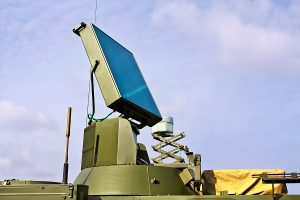
Defense systems face some of the harshest operating conditions imaginable. Temperature extremes, vibration, shock, humidity, dust, and electromagnetic interference are just a few of the environmental challenges these devices are built to withstand. Each electronic assembly, whether it is part of a radar system, communication platform, or weapons control system, must be tested to ensure it will perform reliably under these conditions. This rigorous testing allows manufacturers to identify potential weaknesses before a system is deployed. By simulating real-world conditions in a controlled environment, engineers can evaluate how devices respond to stressors like sudden temperature changes, high-frequency vibration, and electromagnetic exposure.
Every defense application is unique, which means testing protocols have to be tailored to the specific mission profile. Systems used in airborne platforms face different challenges than those deployed on ships or ground vehicles. Environmental testing replicates conditions as realistically as possible to provide actionable insights. The process involves collaboration between engineers, quality assurance specialists, and end users to ensure that every critical scenario is considered and tested.
Key Testing Protocols for Defense
Defense electronic manufacturing requires a multi-layered testing approach. Some of the most critical protocols include:
Environmental Stress Testing
Devices are exposed to temperature extremes, humidity, dust, and other environmental factors to confirm their resilience. Testing ensures components can operate effectively without degradation over time. For example, a communication device used in desert operations may need to withstand constant high temperatures, sand, and intense sunlight without failure.
Shock and Vibration Testing
Electronic assemblies have to withstand the mechanical stresses of transportation, deployment, and operation. Shock and vibration tests replicate conditions like artillery blasts, rough terrain, and high-speed maneuvers to make sure assemblies remain functional.
Electromagnetic Compatibility Testing
EMC testing verifies that devices will not interfere with other nearby electronic devices and can operate reliably in high-EMI environments. Defense devices also have to comply with strict MIL-STD requirements, including MIL-STD-461, for proper performance in electromagnetic-rich settings. Without EMC compliance, systems risk malfunction or unintended interference, which can have mission-critical consequences.
Thermal Management and Performance Testing
High-performance electronic devices generate significant heat, which can reduce functionality and lifespan. Thermal testing confirms that devices can maintain optimal operation while effectively managing heat under sustained workloads. For systems operating in sealed enclosures or under high-density loads, validating thermal performance is essential to prevent overheating and ensure long-term reliability.
Functional and Reliability Testing
All systems are subjected to operational scenarios that mimic actual missions. This testing validates that devices meet performance specifications, can execute required functions, and maintain reliability throughout their service life. Reliability testing often includes continuous operation cycles, endurance testing, and failure mode analysis to anticipate and address potential weak points.
Validation and Quality Systems
But testing alone is not enough. Validation is the process of confirming that every device consistently meets design, performance, and regulatory standards. Validation integrates quality management systems, traceability, and documentation to provide confidence in the product’s reliability.
Electronic contract manufacturers with expertise in defense projects use robust quality systems such as AS9100 and ITAR-compliant procedures to ensure consistency. Traceability is critical, allowing every component and process to be documented, verified, and audited.
Comprehensive validation processes include cross-functional reviews by engineering, production, and quality teams to ensure all requirements are met before deployment. Every decision, from component sourcing to assembly techniques, must support compliance with rigorous military standards.
The Role of Prototyping and Iterative Testing
Prototyping is a cornerstone of defense device development. Early-stage prototypes undergo testing and validation to uncover potential weaknesses in design, assembly, or component selection. Iterative testing allows engineers to refine the product, address issues, and optimize performance before full-scale production.
Prototyping and iterative testing also help engineers balance the trade-offs between size, weight, power consumption, and ruggedness. Defense devices are increasingly required to be smaller and lighter while still providing higher performance. Testing prototypes under real-world conditions ensures that these designs meet both operational requirements and durability expectations.
This approach reduces costly errors and accelerates project timelines so the final product meets or exceeds all defense standards. By investing in thorough prototyping and testing, manufacturers minimize the risk of field failures and enhance confidence in mission-critical electronic devices.
Integrating Testing Across the Manufacturing Process
At Levison Enterprises, testing and validation are integrated throughout our entire manufacturing process. From initial design support to final assembly, quality controls are applied at every stage. Components are inspected, assemblies are tested, and environmental stress simulations are conducted to confirm performance.
Automated optical inspection, X-ray analysis, and functional verification are used to catch defects early. Detailed documentation and traceability ensure that every step complies with MIL-STD and customer-specific requirements. This integration allows Levison to deliver defense electronics that meet the highest standards for reliability, durability, and safety. Every process, from soldering to final functional checks is designed to maintain compliance and reduce risk.
Meeting the Demands of Mission-Critical Applications
Defense electronic devices are used in environments where failure is not an option. Whether supporting tactical communications, navigation, radar, or weapons systems, devices must perform predictably and consistently. By implementing rigorous testing, thorough validation, and robust quality systems, manufacturers can provide equipment that meets these high expectations.
Levison Enterprises is committed to delivering electronic assemblies that perform under pressure. Our comprehensive testing and validation protocols combined with stringent quality systems ensure that every device meets defense standards. From early-stage prototyping to full-scale production, we focus on precision, reliability, and traceability to minimize risk and guarantee mission readiness. Contact us to learn more about how we can help you bring your next defense device to market.
For defense contractors and organizations developing mission-critical electronics, partnering with a trusted ECM like Levison Enterprises ensures that devices meet MIL-STD requirements, operate reliably under extreme conditions, and are fully validated before deployment. Our team provides the expertise, experience, and infrastructure necessary to produce assemblies that perform consistently in the field, supporting military personnel and operations with technology they can trust.
Contact Levison Enterprises today to learn how our testing and validation capabilities can support your next defense electronics project and ensure your mission-critical devices are ready for the challenges of the real world.
Start Your Quote Now!