Cost Estimation in Electronic Manufacturing: Factors to Consider
Understanding electronic manufacturing costs is about more than comparing the lowest production quote. PCB complexity, component selection, assembly requirements, testing, production volume, compliance, and engineering support can all affect the final cost of a project. For OEMs planning a new product, working with an experienced electronic manufacturer early in the process can help identify potential costs, improve manufacturability, and create a more predictable path from prototype to production.
Bringing a new product from design to the manufacturing stage is an exciting milestone, but it also introduces one of the biggest challenges companies face: understanding what it will cost to produce. After investing time and resources into product development, many companies begin contacting electronic manufacturers to compare production estimates and determine the best path forward.
However, comparing electronic manufacturing costs is not always as simple as choosing the lowest quote. The number shown on an estimate represents many different factors, including materials, manufacturing processes, testing requirements, production volume, compliance needs, and the level of support provided by the electronic manufacturing service.
A lower initial estimate may not always provide the best long-term value. Unexpected delays, quality issues, redesigns, and supply chain problems can quickly increase the true cost of production.
Understanding what goes into electronic manufacturing cost estimation helps OEMs make better decisions and choose a manufacturing partner that supports both product quality and business goals.
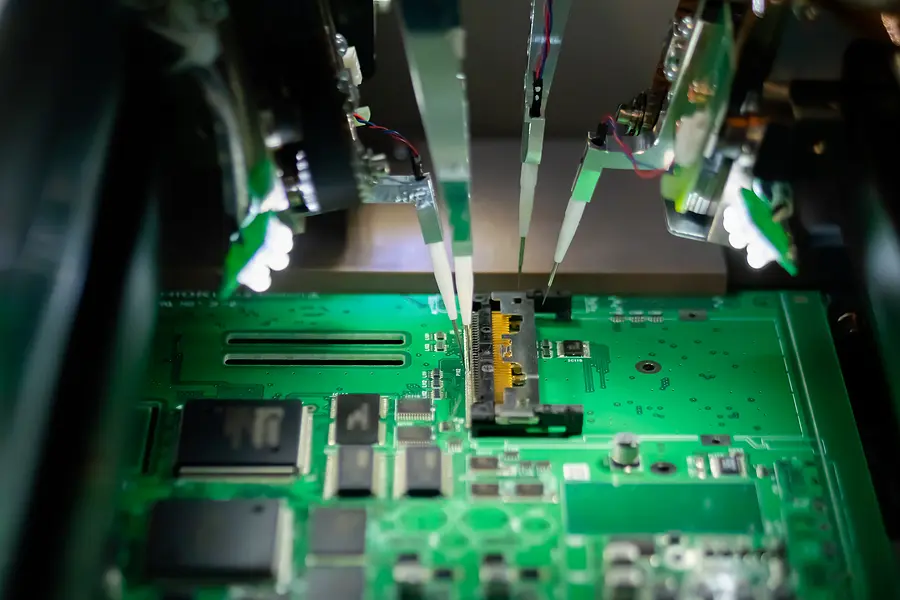
Why Electronic Manufacturing Costs Can Vary Between Manufacturers
When companies request quotes from multiple electronic manufacturers, it is common to see differences between estimates. While it may seem like one manufacturer is simply charging more than another, the difference often comes down to the details included in each quote.
An electronic manufacturing service may consider factors like:
- PCB complexity
- Component selection
- Assembly requirements
- Testing procedures
- Production volume
- Compliance requirements
- Engineering support
- Quality control processes
A manufacturer providing a more comprehensive estimate may include services that help prevent costly issues later in the production process.
Key Factors That Impact Electronic Manufacturing Cost
Every product has unique requirements, which means every manufacturing estimate will be different. Several major factors influence the overall cost of electronic assembly and production.
Number and Type of Components
The number of components required for a printed circuit board directly impacts manufacturing costs. More components typically require additional assembly time, increased material costs, and more complex production processes.
The type of components selected also plays an important role. Specialized, high-performance, or difficult-to-source components may increase costs compared to more readily available alternatives.
Component selection should consider more than the initial purchase price. Availability, lifecycle expectations, quality, and long-term reliability all affect the total cost of manufacturing.
PCB Design Complexity
The design of the printed circuit board can significantly impact production costs. Factors that may affect pricing include:
- Number of PCB layers
- Board size
- Trace spacing
- Hole quantity and size
- Surface finish requirements
- Single-sided or double-sided assembly
For example, smaller holes often require more advanced manufacturing capabilities and additional tooling considerations. Similarly, multilayer boards may require more complex fabrication processes compared to simpler designs.
Working with an electronic manufacturer early in the design process can help identify opportunities to simplify production without sacrificing performance.
Assembly Requirements
The assembly process itself influences the final cost estimate. Surface mount technology (SMT), through-hole assembly, and mixed technology assemblies each require different equipment, processes, and labor considerations.
Double-sided PCB assembly typically requires additional processing because the board must move through the assembly process more than once. More complex assemblies may also require additional inspection steps to confirm reliability.
A manufacturer with advanced electronic assembly capabilities can help determine the most efficient approach based on the product requirements.
Materials and Surface Finishes
The materials selected for a PCB can impact both performance and cost. Different applications may require specific materials, coatings, or surface finishes to meet environmental or durability requirements.
For example, products exposed to moisture, temperature changes, chemicals, or vibration may require specialized materials or protective finishes to improve reliability.
While these options may increase initial manufacturing costs, they can help prevent failures and reduce long-term expenses.
Compliance and Industry Requirements
Certain industries require additional manufacturing controls, documentation, and certifications. Products used in industries like aerospace, defense, and medical devices may require compliance with strict standards.
Requirements such as ITAR compliance, quality certifications, traceability, and specialized testing procedures can affect manufacturing costs.
These requirements add value by helping ensure products meet industry expectations and regulatory requirements.
Why Pre-Production Services Can Reduce Manufacturing Costs
Many companies focus only on the production estimate and overlook the value of pre-production support. However, services performed before manufacturing begins can often reduce overall costs by identifying potential issues early.
A quality electronic manufacturing service may provide:
- Design for manufacturability (DFM) reviews
- Engineering recommendations
- Prototype builds
- Component evaluations
- Process optimization
A DFM review allows engineers and manufacturing experts to examine the product design before production begins. During this process, potential manufacturing challenges can be identified and corrected before they become expensive production problems.
Making design changes during the early stages is typically much less expensive than discovering an issue after thousands of units have been produced.
How Production Volume Affects Cost
Production volume is another major factor in electronic manufacturing cost estimation. In most cases, larger production runs reduce the cost per unit because setup expenses are spread across more products.
Many electronic manufacturers offer pricing tiers based on production quantity. However, the lowest per-unit cost is not always the best starting point.
For new products, beginning with a prototype or smaller production run can provide valuable information before committing to a large-scale build.
A smaller initial run allows companies to:
- Confirm product functionality
- Identify manufacturing improvements
- Validate assembly processes
- Make design adjustments
- Reduce the risk of large-scale failures
Once the design and manufacturing process are proven, companies can move into higher-volume production with greater confidence.
Comparing Domestic and Overseas Electronic Manufacturing Costs
One of the biggest decisions companies face when selecting an electronic manufacturing partner is whether to work with a domestic or overseas supplier.
Overseas manufacturers may provide lower initial estimates due to reduced labor costs.
However, the true cost of production includes much more than the initial quote.
Additional factors to consider include:
- Shipping expenses
- Customs fees
- Tariffs
- Longer lead times
- Communication challenges
- Quality concerns
- Supply chain visibility
A lower production estimate can quickly become more expensive if issues are discovered late in the manufacturing process or if additional production runs are required to correct problems.
Domestic electronic manufacturers often provide advantages through closer collaboration, faster communication, improved quality oversight, and stronger supply chain visibility.
Why the Lowest Quote Is Not Always the Best Value
Cost is an important consideration when selecting an electronic manufacturing service, but it should not be the only factor.
A manufacturing partner with strong engineering support, quality processes, and reliable sourcing practices can help reduce unexpected expenses throughout the product lifecycle.
The true cost of manufacturing includes:
- Product reliability
- Production consistency
- Communication efficiency
- Supply chain stability
- Long-term support
Choosing a partner based only on the lowest estimate can create additional challenges that increase costs later.
Partner With an Electronic Manufacturer Focused on Value
Accurate cost estimation requires a complete understanding of your product, manufacturing requirements, and long-term goals. The best electronic manufacturing partner will help you balance cost, quality, and production efficiency to create a reliable product.
Levison Enterprises provides comprehensive electronic manufacturing services, including PCB assembly, engineering support, testing, and production solutions designed around your specific needs. Our experienced team works closely with customers to identify opportunities for improvement while maintaining the quality standards required for reliable products.
If you are looking for an electronic manufacturer that provides more than just a production quote, contact Levison Enterprises today to discuss your project and learn how our capabilities can support your next product.
Frequently Asked Questions About Electronic Manufacturing Costs
What factors affect the cost of electronic manufacturing?
Electronic manufacturing costs can be affected by PCB complexity, component quantity and type, assembly requirements, materials, testing, production volume, compliance requirements, and the level of engineering and manufacturing support provided.
Why do electronic manufacturing quotes vary between manufacturers?
Quotes can differ because manufacturers may include different materials, processes, testing requirements, engineering services, quality controls, and other services in their estimates. A higher quote may include additional support that helps prevent costly problems later.
Does the number of PCB components affect manufacturing costs?
Yes. A greater number of components typically increases material costs, assembly time, and production complexity. Specialized or difficult-to-source components can also increase the overall cost.
How does PCB design complexity affect manufacturing costs?
Factors such as the number of PCB layers, board size, trace spacing, hole quantity and size, surface finish, and whether the board requires single-sided or double-sided assembly can all affect manufacturing costs.
Can a DFM review reduce electronic manufacturing costs?
Yes. A Design for Manufacturability review can identify potential production problems before manufacturing begins. Addressing design issues early can reduce rework, production delays, material waste, and other unexpected costs.
Does production volume affect the cost per unit?
Generally, larger production runs can reduce the cost per unit because setup and other production expenses are spread across more units. However, starting with a prototype or smaller production run can be beneficial for new products before moving into higher-volume manufacturing.
Are domestic electronic manufacturers more expensive than overseas manufacturers?
Not necessarily. While an overseas manufacturer may offer a lower initial quote, shipping, customs, tariffs, longer lead times, communication challenges, and quality issues can increase the overall cost. Comparing the total value of each option provides a better picture than comparing the initial price alone.
What additional services can affect an electronic manufacturing estimate?
Services such as engineering support, DFM reviews, prototyping, component evaluation, testing, process optimization, and specialized quality controls can affect the initial estimate. However, these services may help reduce costs by identifying and correcting problems before full production.
How do compliance requirements affect electronic manufacturing costs?
Products for industries such as aerospace, defense, and medical devices may require additional documentation, testing, traceability, certifications, or security controls. Requirements such as ITAR compliance can add to manufacturing costs because they require additional processes and controls.
Why shouldn’t I choose an electronic manufacturer based only on the lowest quote?
The lowest initial quote does not always represent the lowest overall cost. A manufacturer with strong engineering support, quality processes, reliable sourcing, and effective communication may help prevent redesigns, production delays, quality problems, and other expenses that can make a seemingly inexpensive manufacturing option more costly over time.
Start Your Quote Now!