Ruggedization in Mission-Critical Electronic Devices
Mission-critical electronic devices must operate reliably in extreme environments where vibration, temperature shifts, moisture, and electromagnetic interference can cause system failure. This article is written for aerospace, defense, and industrial engineering teams seeking to understand how ruggedization improves long-term reliability and operational safety. It explains the engineering strategies behind rugged design, including thermal management, protective enclosures, component selection, and environmental testing. It reflects Levison Enterprises’ approach to building durable, field-ready electronic systems that meet strict performance and compliance requirements for high-risk applications.
When electronic devices are deployed in mission-critical applications, failure is not an option. These devices must operate reliably under harsh conditions that would quickly compromise commercial-grade devices. From extreme temperatures and high humidity to mechanical shocks, vibration, and electromagnetic interference, the environments these systems face can be punishing. Even minor malfunctions can lead to catastrophic consequences and risks to personnel. Designing electronic devices that survive these conditions requires more than standard engineering practices.
Components not rated for rugged use can fail in extreme environments. Vibration from defense vehicles, aircraft, or machinery can crack solder joints, loosen connectors, and interrupt circuit continuity. Dust, sand, water, and chemical exposure can corrode circuitry and lead to failures. Electromagnetic interference can disrupt communications and sensor functionality.
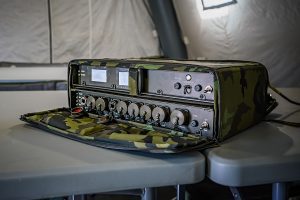
The consequences of electronic failure in critical applications are serious. Military operations rely on reliable communications and control systems. Aerospace systems demand flawless performance where even temporary outages can result in mission compromise or loss of life.
Thermal Management
Thermal management is one of the most important aspects of ruggedization. High-performance electronic devices generate heat, and without proper management, components can overheat and fail. Engineers employ a range of strategies to keep systems operational under extreme temperatures. Heat sinks, thermal vias, and conductive materials help dissipate heat from sensitive components. Enclosures may be designed to facilitate airflow or provide insulation depending on whether the environment is hot or cold.
Intentional Ruggedization
Effective ruggedization requires careful component selection, board layout, and mounting strategies. Components with extended temperature ratings and mechanical robustness are chosen to withstand stress. Boards may include reinforcement in key areas, and shock-absorbing mounts can isolate sensitive parts from impacts. Rigorous vibration and shock testing mimics real-world conditions, identifying potential weaknesses before the device is even deployed. These measures ensure that the system will continue to operate reliably, even under the most extreme mechanical stress.
Protective Enclosures
Protective enclosures play a vital role in safeguarding electronic components. Hermetic sealing, rugged casings, and conformal coatings protect against moisture, dust, chemicals, and other environmental hazards. Enclosures are designed not only to shield devices from external damage but also to support heat management and mechanical stability. By combining robust materials with precise engineering, we create enclosures that maintain functionality in challenging conditions without adding unnecessary weight or bulk.
The Right Components
Component selection is another cornerstone of ruggedized electronic design. Vetted suppliers and rigorous sourcing practices prevent counterfeit and substandard parts from entering the production process, which is particularly critical in military and aerospace applications.
Managing part obsolescence is important for the long haul. Anticipating component lifecycle changes, and qualifying approved alternates early helps keep production moving without last-minute redesigns or compliance risks when systems are deployed in the field.
Functional Testing
Testing validates that ruggedized devices perform as intended in real-world conditions. Thermal cycling, vibration testing, humidity exposure, and electromagnetic interference assessments replicate the environmental stresses the device will face. These tests are not one-time checks but continuous processes that guide design refinements and identify vulnerabilities early.
Functional testing under simulated operational conditions confirms that the device can maintain performance throughout its lifecycle. In addition to environmental testing, comprehensive documentation and traceability throughout design and production verify that every component and assembly meets the rigorous standards required for mission-critical applications.
Ruggedized devices must also be designed with long-term deployment and sustainment in mind. Many mission-critical systems remain in service for decades, often in environments that evolve over time. Designing for maintainability, repairability, and controlled updates means systems can be supported without introducing new risks. Clear documentation, configuration control, and disciplined change management are key to preserving reliability long after initial deployment.
For military and defense applications, ruggedized electronic devices must also meet specific standards and specifications. Compliance requires deep expertise, disciplined quality control, and an understanding of how design decisions affect long-term reliability. A skilled electronic contract manufacturer integrates these standards throughout the design, prototyping, and production process. The result is devices that not only survive the field but excel in performance.
The Levison Difference
Partnering with an experienced electronic contract manufacturer for aerospace and defense is a non-negotiable for developing field-ready devices. A qualified partner brings design and engineering expertise, advanced prototyping capabilities, and integrated production workflows to the table.
We know what works and what fails in the real world. From selecting components that won’t quit under stress to designing enclosures that protect against heat, shock, and vibration, every decision is driven by compliance requirements. Thermal and vibration mitigation aren’t afterthoughts. They’re designed and engineered for it from the start. Rigorous testing, full traceability, and strict adherence to applicable standards means nothing reaches the production floor without being proven. The result is faster time to market and greater confidence that the devices you need will perform even when conditions are at their worst.
Ruggedization is a foundational aspect of manufacturing electronic devices for defense. When failure isn’t an option, ruggedized design is what separates equipment that survives the mission from equipment that can compromise it. Partnering with an experienced electronic contract manufacturer gives the military sector access to the engineering expertise, testing infrastructure, and disciplined production processes required to meet uncompromising durability and performance standards. Trust Levison Enterprises with your next build for operational success, safety, and long-term reliability.
Contact Levison Enterprises to learn how our experience designing and building ruggedized electronic assemblies can help your next mission-critical project perform reliably in the harshest environments.
Start Your Quote Now!