What You’ll Need to Outsource Your Box Build to an Electronic Manufacturer
Many companies choose to outsource a box build assembly to simplify production, but successful projects depend on providing the right information before manufacturing begins. This article is written for engineers, procurement teams, product developers, and businesses preparing to work with an electronic manufacturer on a box build project. The perspective reflects Levison Enterprises’ experience supporting customers through system integration and electronic manufacturing. It explains the documentation and specifications manufacturers need, why complete project information helps prevent delays, and how proper preparation contributes to a more efficient box build assembly process.
A box build assembly can simplify manufacturing by consolidating electronics, wiring, mechanical components, testing, and final integration into a single process. Instead of coordinating multiple suppliers and assembly stages, you work with one manufacturing partner to deliver a complete system.
The challenge is that even the most experienced electronic manufacturer can only move as quickly as the information they receive.
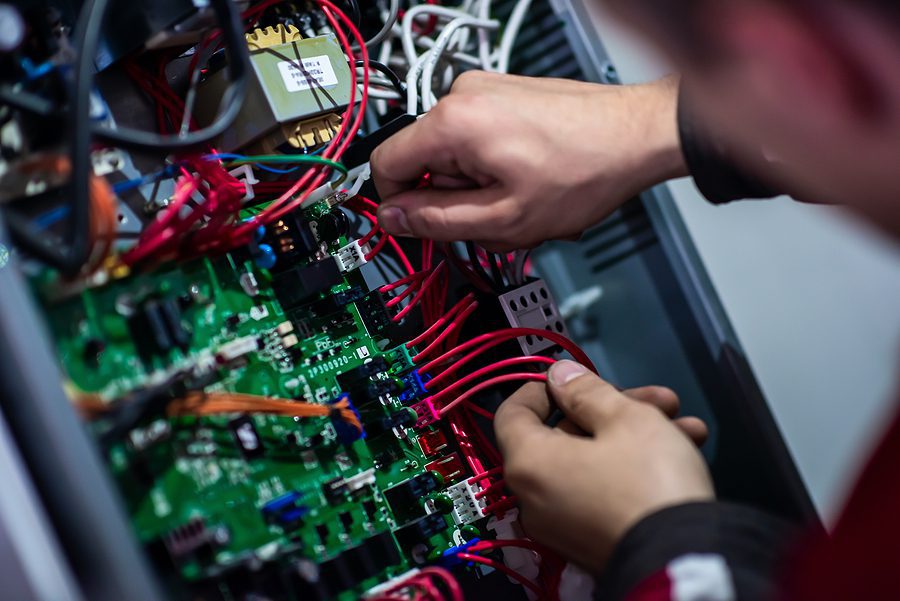
Many box build assemblies experience delays not because of manufacturing problems, but because key details are missing during the handoff process. Incomplete documentation can lead to quote revisions, sourcing delays, engineering questions, and production setbacks that extend timelines and increase costs.
The good news is that most of these issues are easy to avoid.
Providing complete and accurate project information upfront helps your electronic manufacturing partner plan the build, source materials efficiently, and identify potential issues before production begins.
Understanding What a Box Build Includes
Unlike traditional PCB assembly, a box build involves the integration of multiple components into a finished system. Depending on the application, this may include printed circuit boards, wire harnesses, cables, DIN rails, backplanes, power supplies, switches, connectors, enclosures, and electromechanical components.
Some box builds are relatively simple and involve mounting a PCB inside a small enclosure. Others may include large industrial control panels or equipment cabinets containing complex wiring, electronics, pneumatics, and mechanical assemblies.
Because every project is unique, manufacturers rely heavily on customer documentation to understand exactly what needs to be built.
Start With a Complete Bill of Materials
One of the first documents your manufacturing partner will request is a Bill of Materials (BOM).
The BOM serves as the foundation of the entire project. It identifies the components, hardware, assemblies, and materials required to complete the build. More importantly, it clarifies which parts will be supplied by your company and which components the manufacturer will source on your behalf.
A detailed BOM helps prevent confusion during procurement and production. It also allows your manufacturing partner to identify potential sourcing challenges early, particularly for specialized or long-lead-time components.
The more complete the BOM, the more accurate the project quote and timeline will be.
Provide Detailed Drawings and Layout Information
A box build is much more than assembling parts. Manufacturers need to understand how those parts fit together.
Detailed drawings allow engineering and production teams to visualize the completed assembly before work begins. This includes enclosure layouts, mounting locations, cable routing paths, component placement, and custom fabrication requirements.
Any custom parts should include dimensions, tolerances, finishes, and material specifications. Missing information often results in engineering questions that slow down production and create opportunities for costly errors.
Clear documentation helps ensure everyone involved is working from the same set of expectations.
Include Electrical Schematics
For any project involving electrical systems, schematics are essential.
Schematics provide manufacturers with a complete understanding of how components interact and how wiring should be routed throughout the assembly. They help verify proper connections, simplify troubleshooting, and support testing later in the process.
Without accurate schematics, production teams may be forced to make assumptions that can lead to delays or assembly mistakes.
Providing current and complete electrical documentation helps manufacturers build the product correctly the first time.
Define Product Specifications Early
Manufacturers also need a clear understanding of the finished product’s physical requirements.
Dimensions, weight, mounting requirements, operating conditions, and installation considerations all influence how a box build is manufactured and handled. These details affect everything from material selection and assembly methods to packaging and shipping logistics.
For larger systems, specifications may also impact storage requirements, transportation planning, and on-site installation procedures.
The earlier these requirements are communicated, the easier it is to avoid surprises later in the project.
Establish Testing Requirements
One of the most important decisions in any box build project is determining how the finished assembly will be tested.
Testing requirements vary significantly depending on the product and industry. Some assemblies require basic electrical safety verification, while others demand extensive functional testing, environmental testing, or customer-specific acceptance procedures.
By defining testing expectations upfront, manufacturers can build the necessary processes into the production plan and ensure appropriate equipment, documentation, and personnel are available.
This step helps verify that the final product performs as intended before it leaves the facility.
Don’t Wait Until Production to Address Design Issues
One of the biggest advantages of working with an experienced electronic manufacturer is access to engineering expertise.
A qualified box build partner can often identify opportunities to simplify assembly, reduce material costs, improve reliability, or eliminate unnecessary complexity before production begins. These recommendations are most valuable when they occur early in the project, before parts are ordered and manufacturing plans are finalized.
The more information you provide at the beginning of the process, the more effectively your manufacturing partner can support design optimization and manufacturability improvements.
Preparation Leads to Better Box Build Projects
Successful box build assemblies begin long before components reach the production floor.
Complete documentation, accurate specifications, detailed drawings, and clearly defined testing requirements help manufacturers build efficient production plans and avoid unnecessary delays. They also create opportunities to identify cost-saving improvements and reduce project risk before manufacturing starts.
At Levison Enterprises, we work closely with customers throughout the box build process to ensure projects move smoothly from planning and sourcing through assembly, testing, and delivery. Whether you’re developing a simple enclosure assembly or a complex electromechanical system, our team can help you prepare for a successful build and identify opportunities to improve manufacturability along the way.
Contact Levison Enterprises to discuss your next box build assembly and learn how a collaborative manufacturing approach can help streamline production, improve quality, and reduce costs.
Frequently Asked Questions About Box Builds
What is a box build assembly?
A box build assembly is the process of integrating printed circuit boards (PCBs), wire harnesses, cables, power supplies, connectors, mechanical components, and enclosures into a fully assembled and tested product. It provides a complete, ready-to-use system rather than individual components.
What information should I provide before requesting a box build assembly quote?
To receive an accurate quote, you should provide a complete bill of materials (BOM), assembly drawings, electrical schematics, enclosure layouts, product specifications, testing requirements, and any customer-specific documentation. The more complete the information, the more accurate the quote will be.
Why is a complete Bill of Materials (BOM) so important?
A detailed BOM helps manufacturers identify every component needed for the project, determine which parts will be customer-supplied or sourced, and identify potential supply chain issues early. This helps reduce delays and improves quote accuracy.
Can an electronic contract manufacturer help improve my design before production?
Yes. Many experienced electronic manufacturing partners offer design for manufacturability (DFM) support. They can identify opportunities to simplify designs, improve reliability, reduce costs, and eliminate potential production challenges before manufacturing begins.
What types of products use box build assembly services?
Box build assembly is commonly used for industrial control panels, medical devices, telecommunications equipment, aerospace devices, defense systems, automation equipment, consumer devices, and other products that require complete system integration.
How are completed box build assemblies tested?
Testing varies depending on the application and customer requirements. Common testing methods include electrical verification, functional testing, continuity testing, environmental testing, and customer-specific acceptance testing to confirm the product performs as intended before shipment.
How can I avoid delays when outsourcing a box build assembly?
The best way to prevent delays is to provide complete documentation at the start of the project. Accurate, detailed drawings, current schematics, a detailed BOM, clear product specifications, and defined testing requirements allow your manufacturing partner to source materials efficiently, answer your questions early, and keep production on schedule.
Start Your Quote Now!