Supply Chain Security for Electronic Defense Components
Modern defense electronic systems depend on secure and reliable supply chains to maintain performance, compliance, and mission readiness. This article is written for defense contractors, OEMs, procurement professionals, and program managers involved in developing or sourcing electronic defense components. The perspective reflects the role of electronic contract manufacturers in supporting secure, compliant production. It covers counterfeit prevention, supplier verification, traceability, risk mitigation, and long-term strategies that help protect defense systems from supply chain disruptions and vulnerabilities.
Modern defense electronic systems and devices rely on global networks of suppliers, specialized manufacturers, and logistics providers. While this interconnected system makes advanced technology possible, it also introduces significant risk. Every component that enters a mission-critical system has to be authentic, compliant, and fully traceable to ensure performance in the field and protection against failure or compromise.
For electronic contract manufacturers supporting defense programs, supply chain security is not a background function. It is a core discipline that protects system integrity from design through deployment and beyond.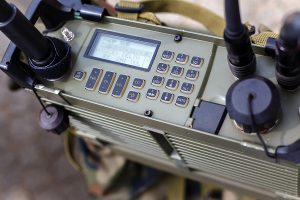
Preventing Counterfeit Parts in Critical Systems
One of the most serious threats in defense electronic manufacturing is the risk of counterfeit components entering the supply chain. Counterfeit parts can look identical to genuine components but may fail under stress, operate outside of specification, or introduce unpredictable behavior into critical systems.
To prevent this, manufacturers rely on strict supplier qualification processes. Only approved and verified distributors are used, and components are sourced through controlled procurement channels. Incoming materials are then subjected to inspection and testing protocols designed to detect inconsistencies in labeling, packaging, electrical performance, and physical construction.
Advanced verification methods may include X-ray analysis, decapsulation testing, and electrical validation under load conditions. These steps help confirm that components meet original manufacturer specifications before they are integrated into defense systems.
Preventing counterfeit parts is not only about quality assurance. It is about providing systems that perform reliably in environments where failure is not an option.
Secure Sourcing and Logistics Across Global Suppliers
Defense electronic manufacturing often depends on a global supply chain. While this allows access to specialized components and materials, it also introduces complexity in managing sourcing and logistics securely.
Manufacturers can mitigate these risks by maintaining tightly controlled supplier networks. Each supplier is vetted for compliance with defense standards, financial stability, production capability, and security practices. Approved vendors are continuously monitored to make sure they remain compliant.
Logistics security is equally important. Components are tracked from origin to delivery using controlled shipping methods, secure packaging protocols, and chain-of-custody documentation. In many cases, shipments are routed through verified distribution hubs to reduce exposure to unauthorized handling or substitution.
This level of control ensures that every component can be accounted for at every stage of its journey, reducing opportunities for tampering or diversion.
Implementing Traceability and Verification Protocols
Traceability is a cornerstone of supply chain security in defense electronic devices. Every part used in a system has to be traceable back to its origin, including manufacturer details, production batch, and handling history.
Manufacturers implement digital tracking systems that can record each stage of a component’s lifecycle, from procurement through assembly and testing. This data is linked to serial numbers, lot codes, and quality assurance records to create a complete history of each unit produced.
Verification protocols exist so components are not only traceable but also validated for authenticity and compliance. This includes cross-referencing supplier documentation, inspecting certification records, and maintaining audit trails that can be reviewed by defense clients or regulatory bodies.
If issues arise, traceability allows manufacturers to quickly identify affected batches, isolate risks, and take corrective action without disrupting entire production lines.
Risk Assessment and Mitigation Strategies
Supply chain risk in defense manufacturing is not static. It evolves with geopolitical conditions, supplier availability, material shortages, and emerging national security threats. As a result, qualified electronic contract manufacturers (ECM) can take a proactive approach to identifying and managing risk.
Risk assessments are conducted regularly to evaluate supplier performance, component availability, and potential vulnerabilities in the supply chain. These assessments help identify single points of failure, geographic risks, and dependencies on limited-source components.
To reduce exposure, manufacturers can develop mitigation strategies including dual sourcing, approved alternate components, and strategic inventory planning. These approaches allow production to continue even if a supplier is disrupted or a part becomes unavailable.
In some cases, redesigns may be introduced to accommodate more readily available components without compromising system performance or compliance. This flexibility is essential for maintaining production continuity over long program lifecycles.
Supporting Long-Term Reliability and Regulatory Compliance
Defense systems are expected to remain operational for many years, often across decades of service. This long lifecycle places additional pressure on the supply chain to remain stable and reliable over time.
Obsolescence management is also a key part of long-term planning. As components become unavailable, manufacturers work with defense contractors to identify approved replacements or redesign pathways that preserve legacy system functionality.
By maintaining continuity in sourcing and documentation, manufacturers can build systems that remain supportable long after initial production ends.
Building Secure and Resilient Defense Supply Chains
Supply chain security is one of the most decisive factors in the reliability of electronic defense systems. Even the most advanced designs can be undermined if a single component is counterfeit, improperly sourced, or introduced without full traceability. For defense ECM, protecting the integrity of the supply chain is inseparable from protecting the performance of the final system.
Through strict supplier qualification, rigorous verification testing, and end-to-end traceability, ECM can confirm that every part entering production meets the standards required for defense applications. These controls reduce exposure to counterfeit risk, strengthen logistical resilience, and provide the documentation needed for compliance and accountability.
At the same time, proactive risk management and long-term sourcing strategies help stabilize production in the face of global disruption and component obsolescence. This forward-thinking approach ensures continuity not just for today, but for systems that may need to remain operational for decades.
In defense electronic manufacturing, trust is built at the component level. A secure, transparent, and well-managed supply chain builds necessary trust long before a system is ever deployed, and maintained long after it enters service. To learn more about how Levison Enterprises can help you bring your next project to market with confidence, contact us today.
Start Your Quote Now!