Optimal Strategies for Wire Harness Design and Assembly
Reliable wire harnesses are essential for keeping complex electronic systems connected, powered, and operating as intended. From aerospace and medical devices to automotive and industrial equipment, harnesses must be designed to withstand the specific electrical, mechanical, and environmental demands of each application. Working with an experienced electronic manufacturer can help you optimize wire routing, material selection, assembly, labeling, and testing to create a harness that improves reliability while supporting efficient production.
Modern products rely on increasingly complex electrical systems. From aerospace equipment and medical devices to industrial machinery and automotive applications, the demand for reliable electrical connections continues to grow. At the center of many of these systems is the wire harness, a carefully organized network of wires, connectors, and protective materials that allows electrical signals and power to move efficiently throughout a product.
However, designing and assembling a wire harness is not simply a matter of connecting wires together. Poor routing, inadequate protection, incorrect labeling, or insufficient testing can create serious problems that impact product performance, safety, and reliability.
For companies working with an experienced electronic manufacturer, a well-designed wire harness can improve assembly efficiency, reduce maintenance challenges, and help prevent costly failures. By following proven design and assembly strategies, manufacturers can create wire harness solutions that perform reliably in even the most demanding environments.
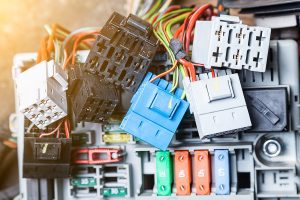
Why Wire Harness Design Matters
A wire harness serves as the communication pathway for an electrical system. It connects components, delivers power, and allows different parts of a product to operate together as intended.
When a harness is designed correctly, it helps reduce installation time, simplifies maintenance, and protects critical electrical connections. When design issues are overlooked, the consequences can include:
- Electrical failures
- Signal interference
- Difficult troubleshooting
- Increased production delays
- Premature component failure
- Costly repairs or replacements
Because wire harnesses are often installed in environments with vibration, temperature changes, moisture, and physical stress, every design decision plays a role in long-term performance.
Start With Strategic Wire Harness Planning and Routing
Effective wire harness design begins long before assembly starts. Careful planning helps ensure that wires are organized, accessible, and protected throughout the life of the product.
Proper routing involves determining the most efficient path for wires while avoiding areas that may expose the harness to unnecessary stress. Designers must consider factors such as:
- Movement and flexibility requirements
- Heat sources
- Potential abrasion points
- Installation limitations
- Maintenance accessibility
Avoiding sharp bends and excessive tension helps prevent damage to conductors and insulation over time.
Modern computer-aided design (CAD) tools have improved the wire harness development process by allowing engineers to create detailed layouts and identify potential issues before production begins. These tools help manufacturers evaluate fit, routing paths, and potential conflicts within the final product design.
By addressing these challenges early, companies can reduce material waste, improve assembly efficiency, and prevent costly redesigns.
Protecting Wires With Proper Securing Methods
Once a harness has been properly routed, securing the wires is essential for maintaining reliability. Movement caused by vibration or repeated stress can damage insulation, loosen connections, or create failures over time.
Manufacturers use a variety of securing methods depending on the application, including:
- Cable ties
- Clamps
- Mounting brackets
- Retainers
- Protective sleeves
The right securing method depends on the operating environment. A harness used in an industrial machine may require different protection compared to one installed in an aerospace system exposed to extreme temperatures and vibration.
Protective materials like braided sleeves, heat shrink tubing, and protective wraps provide an additional layer of defense against abrasion, chemicals, moisture, and environmental exposure.
Accurate Labeling Improves Installation and Maintenance
Wire harness labeling is one of the most important factors in simplifying installation and future service work. Each wire, connector, and terminal should have clear identification to reduce confusion and prevent installation errors.
Poor labeling can result in:
- Longer installation times
- Difficult troubleshooting
- Increased repair costs
- Potential connection errors
Modern labeling methods allow manufacturers to create durable markings that remain readable even in demanding environments. Color coding, printed identifiers, and digital documentation systems can all improve accuracy during assembly and maintenance.
For complex products, clear identification becomes even more important because technicians may need to service or replace components years after the original manufacturing process.
Designing for Electrical Safety and Reliability
Electrical safety should be considered throughout every stage of wire harness design. Selecting the correct materials and specifications helps prevent overheating, electrical failures, and safety concerns.
Important electrical considerations include:
- Wire gauge selection
- Current-carrying capacity
- Insulation requirements
- Grounding methods
- Temperature limitations
Using the correct wire size ensures the harness can handle the expected electrical load without generating excessive heat. Proper insulation protects against shorts and electrical breakdown.
Grounding and shielding also play important roles in maintaining system reliability. Grounding provides a safe path for excess electrical energy, while shielding helps protect sensitive signals from interference.
Managing Electromagnetic Compatibility
Electromagnetic compatibility (EMC) is an important consideration for wire harnesses used in complex electronic systems. Electrical devices can generate electromagnetic interference (EMI), which may disrupt signals or affect system performance.
Proper wire harness design helps minimize these risks through techniques such as:
- Shielding with conductive materials
- Separating power and signal wires
- Using twisted wire pairs
- Controlling cable routing
These design strategies help reduce interference and improve communication between electronic components.
For industries like aerospace, defense, medical devices, and industrial automation, maintaining EMC performance is often a key requirement for successful product operation.
Choosing Materials for Challenging Environments
Wire harnesses are frequently exposed to demanding conditions. A harness installed in an engine compartment, industrial machine, or outdoor system must withstand environmental factors that could damage standard materials.
Manufacturers select materials based on the specific application requirements, including:
- Temperature exposure
- Moisture levels
- Chemical contact
- Vibration
- Mechanical stress
For example, automotive applications may require insulation materials that resist oil and chemicals, while aerospace applications may require lightweight, flame-resistant materials.
Sealed connectors and protective coverings can also help prevent moisture intrusion, corrosion, and contamination. Selecting the right materials helps extend the lifespan of the harness and improves overall system reliability.
Improving Efficiency Through Better Assembly Processes
A well-designed wire harness should not only perform reliably but also support efficient manufacturing.
Experienced electronic manufacturers use proven assembly methods to improve consistency and reduce production time. This may include:
- Pre-cut and prepared wires
- Automated cutting and stripping equipment
- Crimping equipment
- Assembly fixtures
- Modular connector systems
Automation can improve accuracy during repetitive tasks while reducing the likelihood of human error. However, skilled technicians remain essential for inspections, adjustments, and quality verification. Combining advanced equipment with experienced personnel creates a more efficient and reliable assembly process.
Testing Ensures Long-Term Performance
Testing is one of the most important steps in wire harness manufacturing. Even small defects can create significant issues once a product is operating in the field.
Common testing methods include:
- Continuity testing
- Insulation resistance testing
- Connector verification
- Electrical performance testing
- Functional testing
Testing confirms that connections are correct and that the harness performs as expected before it reaches the customer. For industries with strict reliability requirements, such as aerospace, defense, and medical manufacturing, thorough testing provides confidence that the final product meets performance expectations.
Emerging Trends in Wire Harness Manufacturing
As technology continues to advance, wire harness design is evolving as well. Manufacturers are exploring new materials, improved production methods, and smarter systems to support future applications.
Lightweight materials are becoming increasingly popular in industries where reducing overall system weight is important. Advanced polymers and alternative conductor materials can help improve efficiency while maintaining durability.
Smart wire harnesses are another emerging trend. By incorporating sensors and monitoring capabilities, these systems can provide information about performance, temperature, and potential failures before problems occur. These innovations are helping manufacturers create more efficient, reliable, and intelligent electrical systems.
Partner With an Experienced Electronic Manufacturer for Wire Harness Assembly
Reliable wire harness design requires a combination of engineering knowledge, manufacturing expertise, and quality control. From initial design planning and material selection to assembly and testing, every step influences the performance of the final product.
Working with an experienced electronic manufacturing service can help companies avoid common design challenges while creating wire harness solutions built for their specific application.
At Levison Enterprises, we provide comprehensive electronic assembly solutions, including wire harness design and assembly support. Our experienced team combines advanced manufacturing capabilities with strict quality processes to deliver reliable solutions for demanding industries.
If you need a trusted electronic manufacturer for your next wire harness project, contact Levison Enterprises today to discuss your requirements and learn how our capabilities can support your product.
Frequently Asked Questions About Wire Harness Design and Assembly
What is the purpose of a wire harness?
A wire harness organizes wires, connectors, and protective materials to deliver electrical power and signals throughout a product. A properly designed harness can improve reliability, simplify installation, and make future maintenance easier.
What factors should be considered when designing a wire harness?
Wire harness design should account for routing, movement, heat exposure, abrasion, installation limitations, maintenance accessibility, electrical load, insulation requirements, and the operating environment.
Why is proper wire harness routing important?
Proper routing helps prevent excessive tension, sharp bends, abrasion, and other sources of physical stress that can damage wires and insulation. Strategic routing can also make installation and maintenance more efficient.
How can wire harnesses be protected from environmental damage?
Protective sleeves, heat shrink tubing, braided coverings, sealed connectors, and appropriate insulation materials can help protect wire harnesses from abrasion, moisture, chemicals, temperature extremes, and other environmental conditions.
Why is wire harness labeling important?
Clear labeling helps technicians identify wires, connectors, and terminals during installation, troubleshooting, repairs, and future maintenance. Accurate identification can reduce installation errors and save time when servicing complex systems.
How does wire harness design affect electromagnetic compatibility?
Wire arrangement can influence electromagnetic interference (EMI). Separating power and signal wires, using twisted pairs, incorporating shielding, and controlling cable routing can help reduce interference and support reliable system performance.
What types of testing are performed on wire harnesses?
Wire harnesses may undergo continuity testing, insulation resistance testing, connector verification, electrical performance testing, and functional testing. These tests help confirm that connections are correct and that the finished harness performs as expected.
How can wire harness manufacturing improve production efficiency?
Manufacturers can use pre-cut and prepared wires, automated cutting and stripping equipment, crimping equipment, assembly fixtures, and modular connector systems to improve consistency and reduce production time. Skilled technicians remain important for inspection and quality verification.
What industries use wire harness assemblies?
Wire harnesses are used across industries including aerospace, defense, medical manufacturing, automotive, and industrial applications. The design and materials can be customized based on the performance and environmental requirements of the application.
Why should I work with an experienced electronic manufacturer for wire harness assembly?
An experienced electronic manufacturer can provide support throughout the process, from design planning and material selection to assembly and testing. This can help identify potential design challenges early and produce a wire harness suited to the specific requirements of the finished product.
Start Your Quote Now!