Harnessing Data Analytics for Smarter Production Decisions
Modern electronic manufacturing produces a constant stream of valuable data, from inspection results and equipment performance to production times, testing results, and quality metrics. Without analyzing that information, manufacturers may miss patterns that could reveal quality issues, production bottlenecks, or opportunities to improve efficiency. Data analytics gives manufacturers a clearer view of what is happening throughout production, helping teams identify problems earlier and make decisions based on measurable results. Combined with experienced engineering and manufacturing teams, these insights can support better quality, more efficient processes, and more reliable production.
Every manufacturing decision affects the final product. A slight variation in component quality, a recurring assembly issue, or an unexpected production bottleneck can increase costs, delay shipments, and reduce product reliability. While experienced technicians remain essential, today’s manufacturers have another powerful tool at their disposal: data.
Modern manufacturing generates an enormous amount of information throughout every stage of production. Inspection results, machine performance, production throughput, test data, material usage, and quality metrics all provide valuable insights into how efficiently a facility is operating.
When that information is collected, analyzed, and acted upon, it helps manufacturers make smarter decisions that improve both product quality and operational performance.
For companies working with an experienced electronic manufacturer, data analytics is becoming an important advantage. Rather than simply reacting to production issues after they occur, manufacturers can identify trends earlier, improve consistency, optimize workflows, and support better outcomes across every build.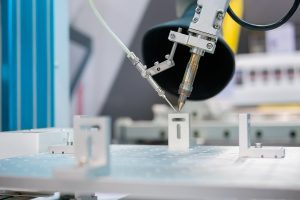
Why Data Matters More Than Ever
Electronic manufacturing has become increasingly complex. Products contain more components, tighter tolerances, and higher customer expectations than ever before. At the same time, manufacturers are expected to reduce lead times, control costs, and maintain exceptional quality.
Making decisions based on assumptions is no longer enough. Production data provides objective information about what is happening throughout the manufacturing process. Instead of relying solely on experience, manufacturers can combine technical expertise with measurable performance data to continuously improve operations.
This allows problems to be identified sooner, opportunities for improvement to be recognized faster, and manufacturing decisions to be supported by real-world performance instead of guesswork.
Turning Production Data Into Better Decisions
Data analytics is more than collecting numbers. The real value comes from identifying meaningful patterns that help improve manufacturing performance. Throughout the production process, manufacturers gather information from multiple sources, including incoming inspections, PCB assembly equipment, testing stations, quality inspections, inventory systems, and production schedules.
When these data points are reviewed together, they often reveal trends that would otherwise go unnoticed. For example, recurring defects may point to a process variation, a supplier issue, or a design challenge. Identifying these patterns early allows corrective action before larger production runs are affected.
Predicting Quality Issues Before They Become Costly
One of the greatest advantages of manufacturing data is its ability to support proactive quality management. Rather than waiting until a finished product fails inspection, manufacturers can monitor production data throughout assembly to identify warning signs much earlier.
Small increases in defect rates, recurring solder issues, changes in inspection results, or unusual equipment performance can indicate that a process requires attention before quality problems become widespread. Early detection reduces scrap, minimizes rework, and helps deliver more consistent products to customers.
Supporting Continuous Process Improvement
The most successful manufacturers never stop looking for ways to improve. Production data provides measurable feedback that supports continuous improvement initiatives throughout the organization.
When process changes are implemented, manufacturers can evaluate whether those changes actually improved quality, reduced production time, or increased efficiency. Instead of relying on assumptions, decisions can be supported by measurable results.
Over time, these incremental improvements create more consistent manufacturing processes, stronger quality systems, and better customer outcomes.
Data Improves Supply Chain Performance
Production data also extends beyond the manufacturing floor.
Inventory trends, supplier performance, component availability, and material usage all contribute valuable information that supports purchasing decisions and supply chain planning. Analyzing supplier performance helps manufacturers identify vendors that consistently deliver quality components on time while highlighting areas where improvements may be needed.
This visibility supports more reliable production planning and helps reduce the risk of unexpected material shortages.
Better Data Supports Better Customer Communication
Customers want more than a finished product. They want confidence that their project is progressing according to plan.
Manufacturers that collect accurate production data can provide more meaningful updates throughout the manufacturing process. Instead of estimating completion dates, project teams can communicate production status based on actual manufacturing progress.
This transparency improves communication, strengthens customer relationships, and allows OEMs to better coordinate their own production schedules.
Data Analytics Supports Scalable Manufacturing
As production volumes increase, maintaining consistency becomes more challenging.
Data analytics helps manufacturers scale production without losing visibility into quality or process performance.
Standardized reporting, production monitoring, and ongoing analysis help identify small process variations before they become larger issues during high-volume manufacturing. This consistency allows manufacturers to transition from prototype builds to full production while maintaining the quality and reliability customers expect.
Human Expertise Still Drives Success
While production data is an extremely valuable tool, successful manufacturing still depends on experienced people. Engineers, quality specialists, production managers, and technicians interpret the information, identify opportunities for improvement, and implement practical solutions that strengthen manufacturing performance.
Data supports decision-making, but experience determines how those insights are applied.
The combination of skilled professionals and accurate production information creates a stronger manufacturing process than either could achieve alone.
Choosing an Electronic Manufacturer That Uses Data to Improve Quality
Not every electronic manufacturer approaches production the same way. When evaluating an electronic manufacturing service, consider how the company measures quality, tracks production performance, and continuously improves its manufacturing processes.
A manufacturer that uses production data to monitor quality, improve efficiency, and refine workflows is better positioned to deliver consistent results while adapting to changing customer requirements. These capabilities become especially valuable for highly regulated industries where quality, traceability, and repeatability are essential.
Make Smarter Manufacturing Decisions With the Right Partner
Manufacturing excellence is built on informed decisions. Data analytics gives manufacturers the ability to identify trends, improve quality, optimize production schedules, and make better use of valuable resources. Combined with experienced engineering and proven manufacturing processes, these insights help create more efficient operations and more reliable products.
At Levison Enterprises, we continuously monitor and evaluate every stage of the manufacturing process to improve quality, consistency, and operational efficiency. From prototype development through full-scale electronic assembly, our team uses real-time production information, rigorous inspection, and continuous process improvement to help customers achieve dependable results. If you are looking for an experienced electronic manufacturer that is committed to quality, efficiency, and scalable manufacturing, contact Levison Enterprises today to discuss your next project.
Start Your Quote Now!