The Role of Traceability in Regulated Electronic Contract Manufacturing
For manufacturers serving aerospace, medical, defense, and other regulated industries, knowing where components came from and how each product was built is essential. Without reliable traceability, a quality issue can be difficult to investigate, regulatory audits can become more challenging, and affected products may be harder to identify. A strong traceability system creates a detailed record of components, production processes, inspections, and testing throughout manufacturing. Working with an electronic manufacturer that prioritizes traceability helps OEMs maintain quality, support compliance, and have greater confidence in every product they deliver.
Manufacturing electronic products for industries like aerospace and medical devices leaves very little room for error. A single defective component, undocumented process change, or missing production record can create significant problems. Products may fail inspections, shipments can be delayed, regulatory audits become more difficult, and manufacturers may struggle to identify the root cause of a quality issue.
When every product must meet strict quality and compliance requirements, knowing exactly where every component came from, how it was assembled, who handled it, and how it was tested is not optional. It is essential.
That is why traceability has become one of the most important aspects of modern electronic manufacturing. For companies developing products in highly regulated industries, partnering with an electronic manufacturer that maintains complete traceability provides confidence that every product has been built according to documented procedures and can be verified long after production is complete.
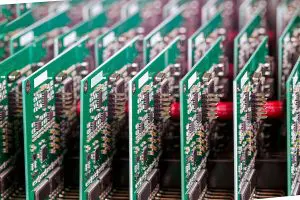
Component Traceability Protects Product Reliability
The quality of any electronic assembly begins with its components. Manufacturers need confidence that every resistor, capacitor, integrated circuit, connector, and other part has been sourced from qualified suppliers and verified before entering production.
Component traceability allows manufacturers to document supplier information, lot numbers, date codes, certifications, inspection results, and inventory history. If a supplier later reports a defective lot or issues a product notification, manufacturers can quickly determine whether affected components were used in production and identify exactly which assemblies may be impacted. Without traceability, identifying affected products becomes significantly more difficult and far more expensive.
Faster Root Cause Analysis
Even with robust quality systems, manufacturing issues occasionally occur. When they do, speed matters. A comprehensive traceability system allows engineers to investigate problems quickly by reviewing detailed production records rather than attempting to reconstruct events after the fact.
Manufacturers can determine which materials were used, which equipment processed the product, what inspection results were recorded, and whether similar products experienced comparable issues. This dramatically reduces troubleshooting time while supporting faster corrective action and continuous process improvement.
Improving Accountability Throughout Manufacturing
Traceability creates accountability across the entire manufacturing process.
Every production step is documented, creating a clear record of inspections, approvals, testing activities, and manufacturing operations. This level of visibility encourages consistent process execution while reducing the likelihood that important procedures will be overlooked.
For customers, this transparency provides additional confidence that products have been manufactured according to established quality standards rather than relying solely on final acceptance testing.
Supporting Regulatory Compliance
Manufacturers serving regulated industries must comply with rigorous quality standards that require extensive documentation and process control. Whether producing assemblies for aerospace, medical devices, or defense applications, companies are expected to demonstrate consistent manufacturing practices supported by accurate records.
Traceability simplifies regulatory compliance by organizing production data in a way that supports audits, customer reviews, and certification requirements. Instead of searching through paper records or incomplete documentation, manufacturers can quickly retrieve the information needed to demonstrate compliance. This level of organization reduces audit preparation time while helping manufacturers maintain ongoing compliance with customer and industry requirements.
Audit Readiness Starts Long Before the Audit
Many companies view audits as isolated events. In reality, successful audits are the result of consistent daily practices. Manufacturers that maintain complete traceability are effectively preparing for every audit as production takes place. Documentation is created in real time rather than assembled afterward.
This approach improves accuracy while reducing the stress associated with regulatory inspections and customer assessments. When auditors request production records, manufacturers with strong traceability systems can provide clear, organized documentation that demonstrates consistent adherence to established procedures.
Managing Product Changes with Confidence
Electronic products often evolve over time. Engineering updates, component substitutions, software revisions, and manufacturing improvements are common throughout a product’s lifecycle. Traceability helps manufacturers manage these changes by documenting exactly when revisions were implemented and which products were affected.
This historical record allows manufacturers and customers to distinguish between product revisions, support future maintenance activities, and verify that each build reflects the correct engineering documentation. Without this level of control, managing product revisions becomes far more difficult.
Strengthening Customer Confidence
Customers in highly regulated industries expect more than quality products.
They want confidence that their manufacturing partner has the systems, processes, and documentation necessary to support long-term product reliability.
An experienced electronic manufacturer demonstrates this commitment through comprehensive traceability that extends across the entire manufacturing process. Complete production records provide customers with greater visibility into how their products are built while supporting warranty investigations, engineering changes, field service, and future production runs.
For OEMs, this level of transparency helps reduce risk while strengthening confidence in their manufacturing partner.
Technology Makes Modern Traceability More Effective
Today’s traceability systems are far more sophisticated than simple paper records or spreadsheets. Modern electronic manufacturing services often integrate digital production records with barcode scanning, serialized product identification, inventory management systems, inspection equipment, and testing data.
These connected systems improve accuracy by reducing manual data entry while making information easier to retrieve whenever it is needed. As manufacturing becomes increasingly data driven, digital traceability continues to improve both quality management and operational efficiency.
Choosing an Electronic Manufacturing Service That Prioritizes Traceability
Not every electronic manufacturing service provides the same level of documentation or production visibility. When evaluating a manufacturing partner, it is important to look beyond production capacity and pricing. Ask how components are tracked, how production records are maintained, what testing documentation is available, and how engineering changes are managed throughout the product lifecycle. A manufacturer that invests in comprehensive traceability demonstrates a commitment to quality, accountability, and continuous improvement that benefits every customer.
Build With Confidence Through Complete Traceability
In regulated industries, traceability is much more than a documentation requirement. It is the foundation of quality assurance, regulatory compliance, and long-term product reliability. Complete visibility throughout the manufacturing process helps manufacturers identify problems more quickly, respond effectively to customer needs, and demonstrate compliance with confidence.
At Levison Enterprises, our electronic manufacturing services are built around quality, precision, and accountability. From incoming component verification and electronic assembly to inspection, testing, and final delivery, we maintain the documentation and process controls our aerospace, medical, defense, and industrial customers depend on. If you are looking for an experienced electronic manufacturer that understands the importance of traceability, compliance, and reliable production, contact Levison Enterprises today to discuss your next project.
Start Your Quote Now!