Common PCB Defects and Their Impact on Product Quality for Electronic Manufacturers
Even well-designed electronic products can fail if printed circuit board defects go undetected during manufacturing. This article is written for engineers, OEMs, and purchasing professionals evaluating electronic manufacturing partners. It explains common PCB defects, how they affect product quality and reliability, and the inspection processes manufacturers use to identify problems before products reach the field.
No matter how carefully a product is designed, even a small defect on a printed circuit board (PCB) can create major problems. A single solder bridge, plating void, or misaligned component can lead to intermittent failures, reduced product life, expensive rework, warranty claims, or even complete product failure in the field.
For companies that rely on an experienced electronic manufacturer, quality is about much more than assembling a board. It involves identifying potential issues before they become costly problems. Every stage of the manufacturing process, from PCB fabrication and component placement to soldering, inspection, and testing, plays a role in delivering reliable products.
Understanding the most common PCB defects helps engineers, buyers, and OEMs make informed decisions when selecting an electronic manufacturing service. More importantly, it highlights why working with a manufacturer that prioritizes quality control is essential for long-term product performance.
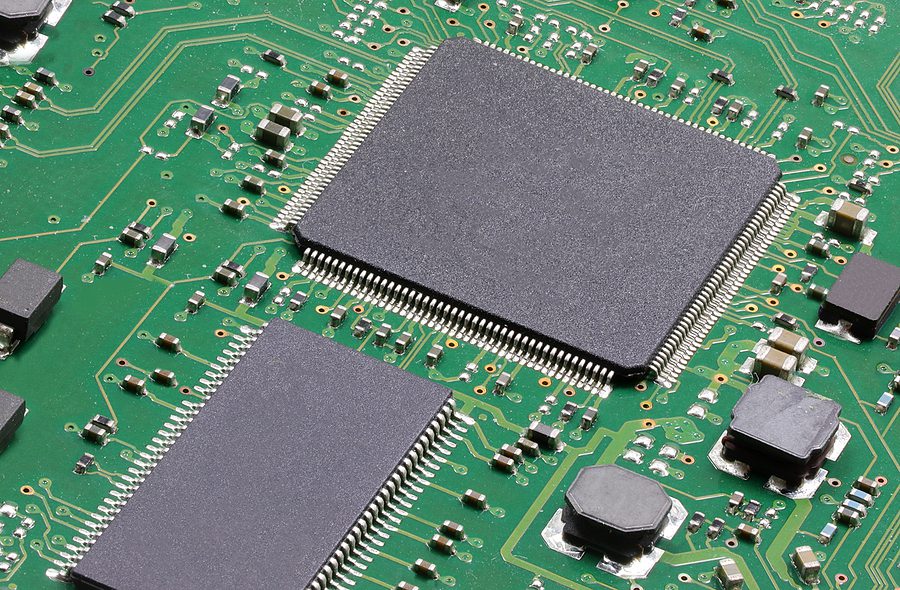
Why PCB Defects Matter More Than You Think
Many PCB defects are microscopic and difficult to detect without specialized inspection equipment. A board may appear to function normally during initial testing, only to fail after shipping because of vibration, thermal cycling, or normal operating conditions.
The cost of discovering a defect also increases dramatically the later it is found. Catching a problem during manufacturing may require only minor rework. Discovering the same issue after a product has been delivered can result in product recalls, warranty claims, production delays, and damage to your company’s reputation.

Common PCB Defects That Can Affect Product Quality
Plating Voids
Plating voids occur when copper does not coat the hole walls evenly during the plating process. Contamination, trapped air bubbles, rough drilling, or inadequate hole preparation are common causes.
Poor plating creates weak electrical connections between PCB layers. Over time, these weak spots may fail, especially in products exposed to vibration or changing temperatures.
Insufficient Copper-to-Edge Clearance
Copper traces that are too close to the edge of a PCB can become exposed after routing or trimming. Once exposed, the copper is vulnerable to corrosion, electrical shorts, and potential safety hazards.
Proper design review and manufacturing controls help maintain the required clearance throughout production.
Bad Soldering
Reliable solder joints are essential to successful electronic assembly. Poor soldering techniques can create weak or incomplete electrical connections that fail over time.
Common soldering problems include:
- Cold solder joints
- Insufficient solder
- Excess solder
- Contamination from moisture or flux residue
These issues often lead to intermittent connections that are difficult to diagnose after the product has been assembled.
Missing Solder Mask Between Pads
The solder mask protects exposed copper while preventing unintended electrical contact between nearby conductors.
When the solder mask is missing between pads, the solder can bridge adjacent connections during assembly. This increases the risk of shorts, corrosion, and premature board failure.
Acid Traps
Acid traps occur when sharp inside angles are designed into copper traces. During the etching process, chemicals can become trapped in these corners, slowly attacking the copper.
Modern PCB designs typically avoid acute angles, but acid traps can still appear in poorly optimized layouts or older board designs.
Poorly Manufactured Components
Even when the PCB itself is manufactured correctly, low-quality components can reduce overall product reliability.
Inferior components may suffer from loose internal connections, poor tolerances, or premature failure. Using qualified suppliers and verified incoming inspection helps reduce these risks before assembly begins.
Starved Thermals
Thermal relief patterns allow heat to transfer efficiently between pads and copper planes during soldering.
If thermal connections are incomplete or undersized, heat cannot dissipate properly. Components may experience overheating during assembly or normal operation, shortening their lifespan and reducing overall reliability.
Solder Bridges
A solder bridge forms when excess solder unintentionally connects two adjacent pads or pins.
This creates an electrical short that can prevent the board from functioning correctly or permanently damage sensitive components if power is applied.
Tombstoning
Tombstoning occurs when one side of a small surface-mount component lifts off the PCB during soldering.
This open connection prevents the component from functioning correctly and usually requires rework before the board can pass inspection.
Position Shifts
Component placement must be extremely accurate during automated assembly.
If a component shifts during placement or solder reflow, its leads may no longer align correctly with the PCB pads. Even slight movement can create unreliable electrical connections or intermittent failures.
Blowholes
Blowholes are small voids that form inside plated through holes when trapped moisture or gases escape during soldering. These defects weaken solder joints and reduce long-term reliability, particularly in products exposed to demanding operating environments.
Solder Webbing
Although similar to solder bridges, solder webbing typically results from contamination or process issues that leave thin strands of solder between adjacent conductors. These unintended connections can compromise solder joint integrity and create electrical reliability concerns.
How Quality Inspection Prevents Costly PCB Failures
Preventing defects requires more than experienced technicians. It requires a manufacturing process built around quality at every stage.
Leading electronic manufacturers use multiple inspection methods throughout production to identify problems before products leave the facility. Depending on the project, this may include automated optical inspection (AOI), X-ray inspection for hidden solder joints, in-process inspections, and functional testing after assembly.
By identifying defects early, manufacturers reduce scrap, minimize rework, improve production efficiency, and deliver more reliable products to customers.
Choosing the Right Electronic Manufacturing Service
Not every defect can be prevented entirely, but the right manufacturing partner can dramatically reduce the likelihood of problems reaching your finished product.
When evaluating an electronic manufacturing service, look beyond pricing. Consider factors like quality certifications, inspection capabilities, engineering support, process controls, and experience building products similar to yours. A manufacturer that invests in quality systems can help reduce production risks while improving consistency across every build.
Partner With an Electronic Manufacturer Focused on Quality
PCB defects can affect everything from product performance and reliability to customer satisfaction and long-term costs. While many defects are preventable, doing so requires experienced personnel, proven manufacturing processes, and comprehensive quality inspection throughout production.
From PCB fabrication support and precision electronic assembly to inspection and testing, our team is committed to delivering reliable products that meet your performance expectations.
If you’re looking for an experienced electronic manufacturer for your next project, contact Levison Enterprises today to discuss your requirements and request a quote.
Frequently Asked Questions About PCB Defects
What are the most common PCB defects?
Some of the most common PCB defects include solder bridges, cold solder joints, plating voids, tombstoning, missing solder mask, and component placement errors. Each defect can impact electrical performance, product reliability, or long-term durability if not identified during manufacturing.
How do PCB defects affect product quality?
PCB defects can cause intermittent failures, electrical shorts, overheating, signal loss, and complete product failure. Even small manufacturing defects can reduce a product’s lifespan, increase warranty claims, and lead to costly repairs or recalls.
How can an electronic manufacturer prevent PCB defects?
An experienced electronic manufacturer uses quality control throughout the manufacturing process, including design reviews, automated optical inspection (AOI), X-ray inspection, in-process inspections, functional testing, and strict process controls to identify and correct defects before products are shipped.
What causes solder bridges on a PCB?
Solder bridges typically occur when excess solder connects two adjacent pads or component leads during assembly. Common causes include incorrect solder paste application, poor component placement, or improper reflow soldering settings.
Why is PCB inspection important?
PCB inspection helps identify manufacturing defects before they reach the customer. Early detection reduces scrap, minimizes rework, improves production efficiency, and helps deliver more reliable electronic products.
What should I look for in an electronic manufacturing service?
When selecting an electronic manufacturing service, consider the company’s quality certifications, inspection capabilities, engineering support, manufacturing experience, testing procedures, and ability to consistently produce reliable electronic assemblies.
Can PCB defects be repaired?
Some PCB defects, such as tombstoned components or certain soldering issues, can often be repaired if they are detected early. However, more serious defects or those discovered after a product has been deployed may require replacing the entire board.
Start Your Quote Now!