Soft Printed Circuit Board Advantages and Applications in Electronic Manufacturing
Many product designers need electronic assemblies that fit into smaller spaces without sacrificing reliability or performance. This article is written for engineers, OEMs, and manufacturers evaluating flexible printed circuit boards for new product designs. The perspective reflects Levison Enterprises’ experience supporting complex electronic manufacturing projects. It explains the advantages of soft PCBs, where they are commonly used, and how the right manufacturing partner helps produce dependable, high quality electronic assemblies.
As electronic devices continue to become smaller, lighter, and more powerful, the technology inside them must evolve as well. Traditional rigid printed circuit boards (PCBs) remain the right solution for many products, but they are not always the best choice when space is limited or movement is required.
That is where flexible printed circuit boards, often called soft PCBs or flex PCBs, offer a significant advantage. Their ability to bend, fold, and conform to unique product designs allows engineers to create innovative products that would be difficult or impossible with rigid boards alone.
For companies working with an experienced electronic manufacturer, understanding when to use a flexible PCB can improve product performance, reduce assembly complexity, and support more efficient manufacturing. Whether you’re developing a medical device, industrial equipment, or consumer product, selecting the right PCB design is an important part of building a reliable product.
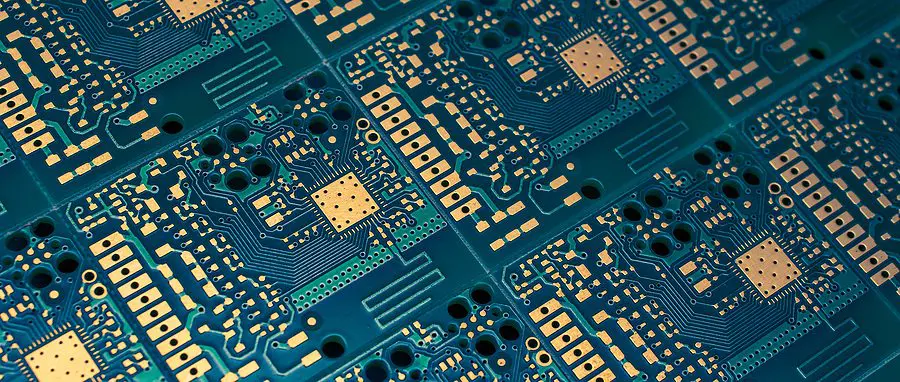
What Is a Flexible Printed Circuit Board?
A flexible printed circuit board is exactly what its name suggests. Unlike traditional rigid circuit boards, flex PCBs are manufactured using thin, flexible substrate materials that allow the board to bend, twist, or fold without damaging the electrical connections.
These boards are carefully engineered to withstand repeated movement while maintaining reliable electrical performance. Although they offer greater design flexibility, they also require specialized manufacturing techniques, material handling procedures, and experienced technicians during production.
Choosing the right electronic manufacturing service is essential because flexible PCBs require different processing methods than standard rigid boards. Proper clamping, handling, inspection, and testing all play an important role in producing a high-quality finished product.
Why More Manufacturers Are Choosing Flexible PCBs
As products become more compact and feature-rich, designers are increasingly turning to flexible circuit boards to overcome packaging and performance challenges.
Instead of relying on multiple rigid boards connected by cables or wire harnesses, engineers can often simplify designs with a single flexible circuit. This can reduce weight, minimize connection points, and improve long-term reliability.
For many products, the result is a cleaner design, fewer potential failure points, and easier assembly.
Benefits of Soft Printed Circuit Boards
Lightweight Construction
One of the biggest advantages of flexible PCBs is their lightweight design.
Unlike traditional rigid boards that use thicker substrate materials, flexible PCBs are manufactured using extremely thin polyimide or similar flexible materials. Combined with surface mount technology (SMT), this significantly reduces overall product weight.
This makes flex circuits an excellent choice for portable products, wearable technology, aerospace equipment, and applications where every ounce matters.
Compact Size
As products continue shrinking, available internal space becomes increasingly valuable.
Flexible PCBs can be folded or routed through tight spaces that rigid boards simply cannot reach. Their thin profile allows engineers to maximize available space without sacrificing functionality.
Resistance to High Temperatures
Many flexible PCB materials perform well in demanding environments where elevated temperatures are common. Industries like oil and gas, automotive, aerospace, and industrial manufacturing often require electronic assemblies that can withstand changing operating conditions. Depending on the materials selected during fabrication, flexible PCBs can maintain reliable performance even under significant thermal stress.
Improved Product Performance
Flexible PCBs often improve overall product performance. Their design allows for higher component density, shorter electrical pathways, and fewer connectors, all of which can improve signal integrity and reduce opportunities for failure.
Excellent Durability
Despite their flexibility, soft PCBs are extremely durable when designed for the intended application. High-quality flexible circuits are manufactured under tightly controlled conditions using specialized materials and protective coatings. Many are designed to withstand repeated bending cycles without compromising electrical performance.
This durability makes them well suited for products that experience frequent movement during normal operation.
Increased Reliability
Every connector or cable inside an electronic device creates another potential point of failure.
Flexible PCBs reduce the number of mechanical connectors required by combining multiple electrical pathways into a single circuit. Fewer interconnections often lead to greater long-term reliability, especially in products exposed to vibration or repeated movement. In many designs, flexible PCBs also improve heat dissipation, helping components operate more efficiently.
Common Applications for Flexible Printed Circuit Boards
The unique characteristics of flexible PCBs make them valuable across many industries.
Wearable Technology
Wearable products depend on compact, lightweight components that remain comfortable while maintaining reliable performance. Flexible PCBs are commonly found in smart watches, fitness trackers, body-worn sensors, and other portable devices because they easily conform to small, ergonomic product designs.
Medical Devices
Medical equipment often requires exceptional reliability while operating in compact spaces. Flexible PCBs are used in heart monitors, wearable medical sensors, diagnostic equipment, and other healthcare devices where consistent performance is essential. Because many of these products are worn or handled frequently, the durability of flexible circuits provides an important advantage.
Consumer Electronic Products
Many everyday products rely on flexible PCB technology. Smartphones, cameras, tablets, calculators, gaming devices, headphones, and other compact consumer products often use flex circuits to maximize available space while improving product reliability.
Printers and Office Equipment
Printers and similar equipment frequently contain moving components that require electrical connections. Flexible PCBs provide reliable signal transmission between moving assemblies without the wear that traditional wiring may experience over time.
Industrial Equipment
Industrial automation systems often operate in demanding environments with vibration, repetitive movement, or limited installation space. Flexible PCBs are commonly used in robotic arms, barcode scanners, machine controls, sensors, and automated processing equipment because they perform reliably under these conditions.
Aerospace and Automotive Applications
Weight reduction and reliability are major priorities in both aerospace and automotive manufacturing. Flexible PCBs help engineers reduce overall system weight while simplifying complex wiring systems. Their ability to fit into tight spaces also supports increasingly compact vehicle and aircraft designs.
How Flexible PCBs Can Reduce Manufacturing Complexity
One often overlooked advantage of flexible circuits is the impact they have on manufacturing itself. By replacing multiple rigid boards, connectors, and wiring assemblies with a single flexible circuit, manufacturers can simplify the assembly process. Fewer components typically mean fewer assembly steps, lower opportunities for wiring errors, and improved production consistency.
Choosing the Right Electronic Manufacturing Partner
Flexible PCB technology offers tremendous advantages, but achieving those benefits depends on working with the right manufacturing partner.
Not every electronic manufacturing service has the equipment, expertise, or quality processes needed to build flexible circuit assemblies successfully. Specialized handling procedures, precision assembly equipment, and comprehensive inspection are all essential for producing reliable flex PCB products.
Working with an experienced manufacturing partner early in product development can help identify design improvements, reduce production challenges, and support a smoother transition from prototype to full production.
Does Your Project Need a Flexible PCB?
Flexible printed circuit boards continue to expand the possibilities of modern product design. Their lightweight construction, compact size, durability, and reliability make them an excellent solution for products across the medical, aerospace, industrial, automotive, consumer, and wearable technology industries.
At Levison Enterprises, we provide traditional and flexible PCB solutions backed by decades of manufacturing experience. Whether you need prototype support, full electronic assembly, or complete turnkey manufacturing, our team can help you determine the right solution for your product. Contact us today to learn how our flexible PCB capabilities and comprehensive electronic manufacturing services can help bring your next project to life.
Frequently Asked Questions About Flexible Printed Circuit Boards
What is a flexible printed circuit board?
A flexible printed circuit board (flex PCB), sometimes called a soft PCB, is a circuit board made from flexible substrate materials that allow it to bend, fold, or twist while maintaining reliable electrical connections. Flex PCBs are commonly used in products where space is limited or movement is required.
What are the advantages of flexible PCBs over rigid PCBs?
Flexible PCBs offer several advantages, including reduced weight, a smaller footprint, fewer connectors, improved reliability, and greater design flexibility. They also simplify complex assemblies by replacing multiple rigid boards and wiring harnesses with a single flexible circuit.
What industries commonly use flexible PCBs?
Flexible PCBs are widely used in the medical, aerospace, automotive, industrial, telecommunications, and consumer product industries. They are especially valuable in applications that require compact designs, lightweight components, or repeated movement.
What products use flexible printed circuit boards?
Flexible PCBs are found in a wide range of products, including smartphones, smart watches, fitness trackers, medical monitoring devices, cameras, printers, robotic equipment, automotive systems, and aerospace equipment.
Are flexible PCBs as reliable as rigid circuit boards?
Yes. When properly designed and manufactured, flexible PCBs are highly reliable. In many applications, they can actually improve reliability by reducing the number of connectors and interconnections, which are common points of failure in electronic assemblies.
Can flexible PCBs withstand high temperatures?
Many flexible PCB materials are designed to perform in high-temperature environments. Depending on the application and material selection, they can withstand demanding operating conditions found in industries like aerospace, automotive, industrial manufacturing, and oil and gas.
Why do flexible PCBs reduce manufacturing complexity?
Flexible PCBs can replace multiple rigid boards, cables, and wire harnesses with a single integrated circuit. This simplifies assembly, reduces the number of components, minimizes wiring errors, and can improve manufacturing efficiency while lowering long-term maintenance requirements.
What should I look for in an electronic manufacturing service for flexible PCBs?
Choose an electronic manufacturing service with experience producing flexible circuit assemblies, specialized handling and inspection processes, engineering support, quality certifications, and the equipment needed to manufacture and test flex PCBs accurately.
Are flexible PCBs more expensive than rigid PCBs?
Flexible PCBs may have higher initial manufacturing costs because of specialized materials and production processes. However, they can reduce overall system costs by simplifying assembly, lowering the number of components, improving reliability, and reducing maintenance or repair needs over the product’s lifecycle.
How do I know if my product should use a flexible PCB?
A flexible PCB may be the right choice if your product requires a compact design, moving components, weight reduction, improved reliability, or installation in tight spaces. An experienced electronic manufacturer can evaluate your design requirements and recommend whether a flexible or rigid PCB is the best solution for your application.
Start Your Quote Now!